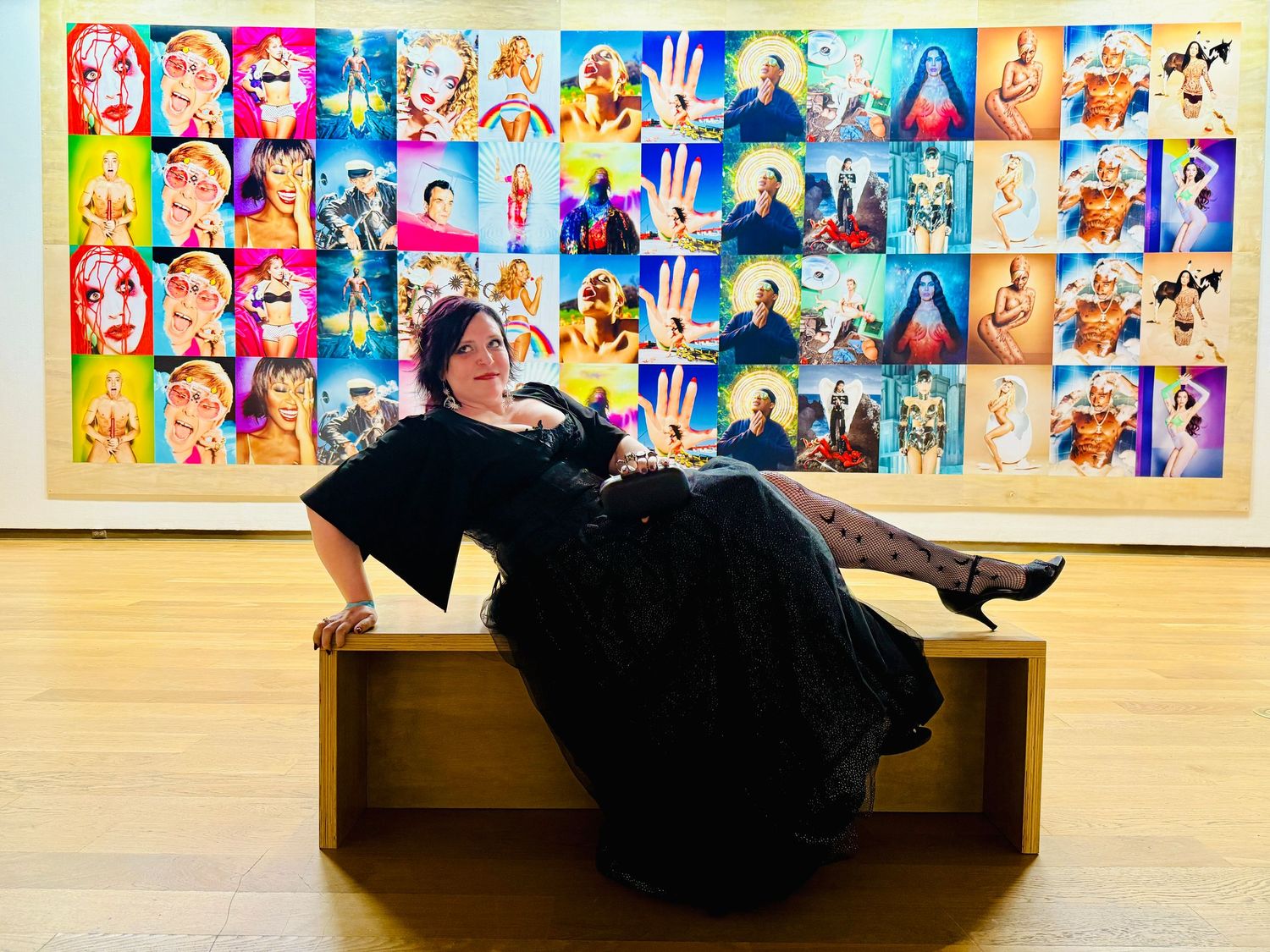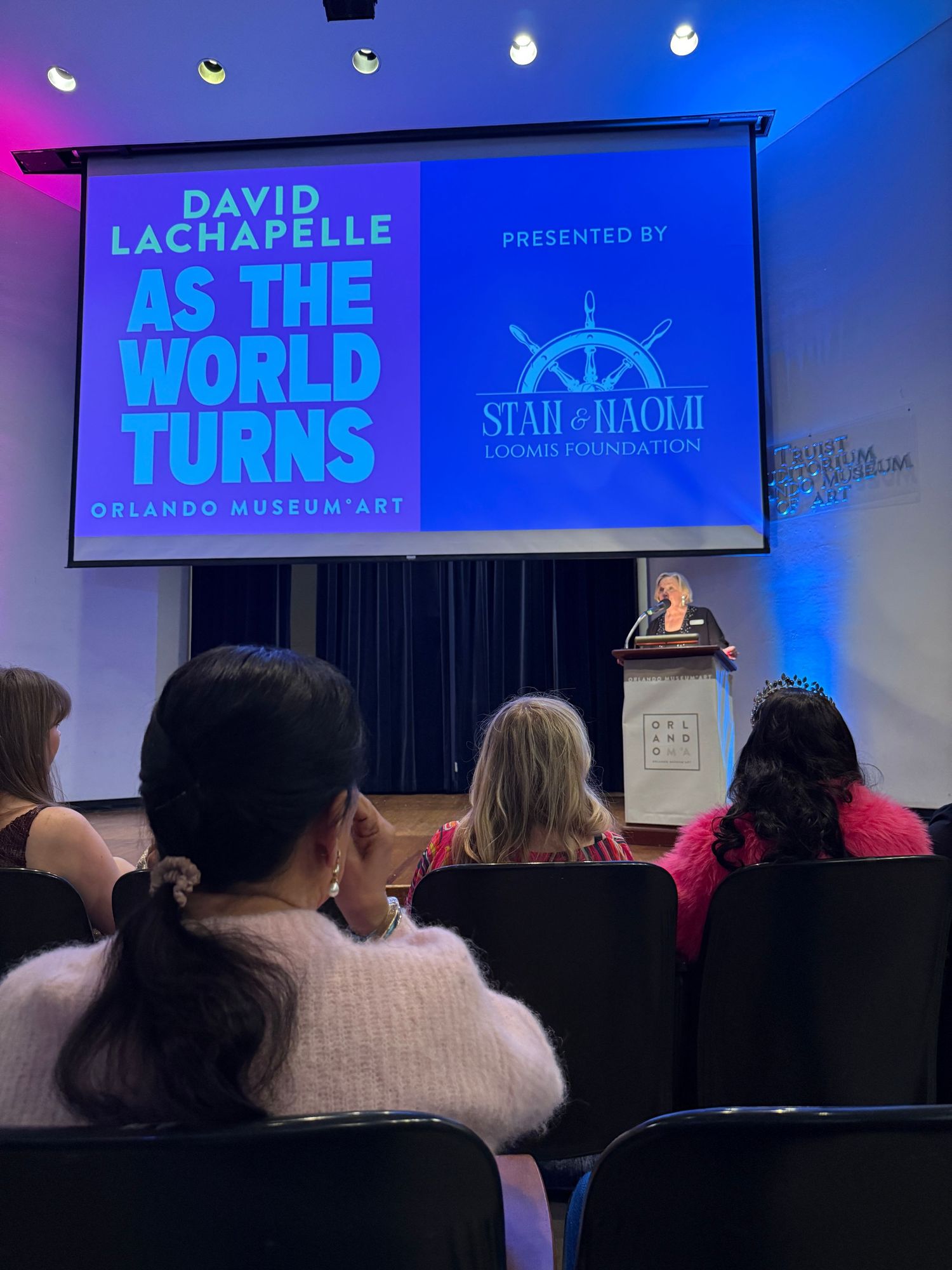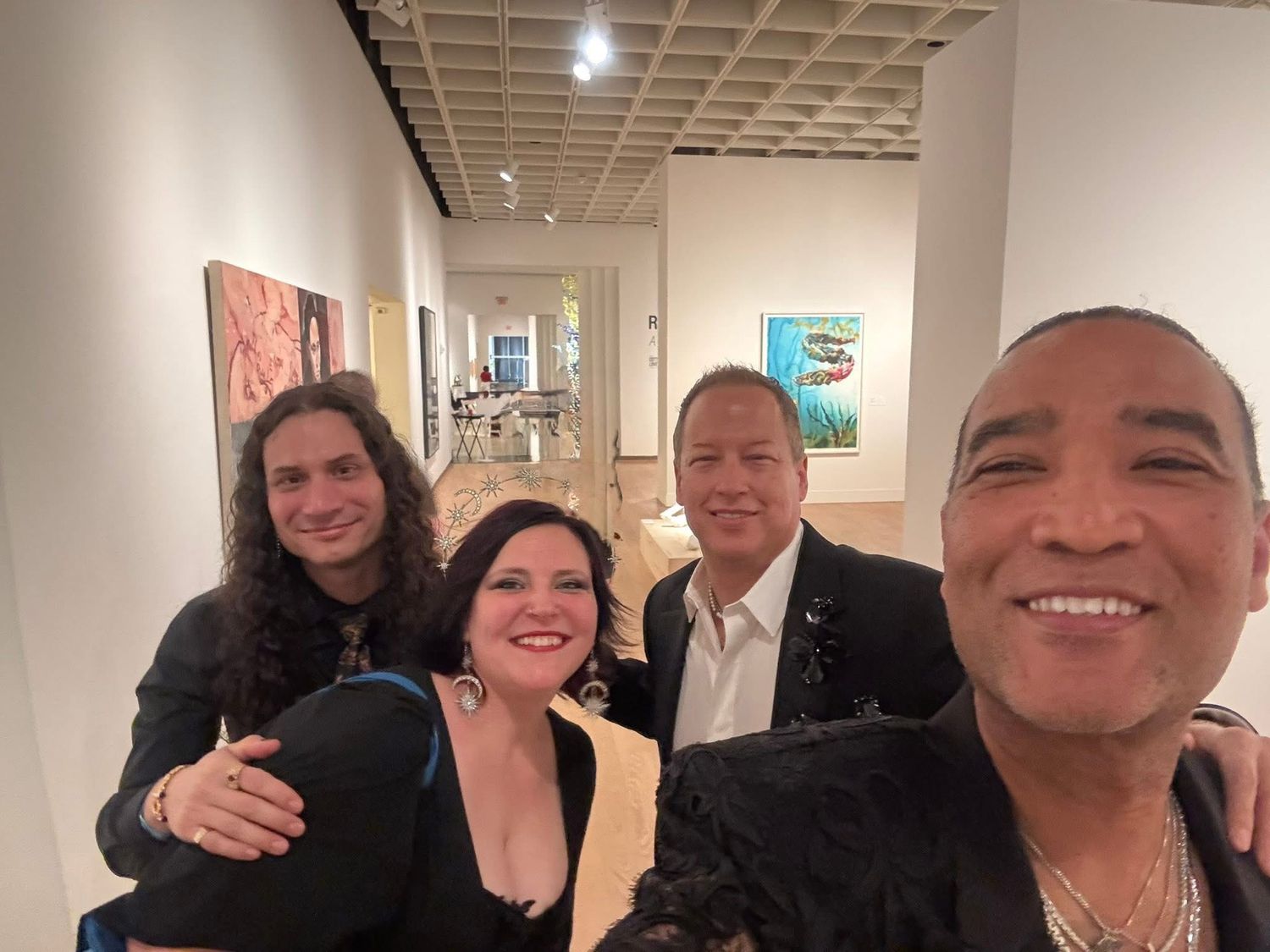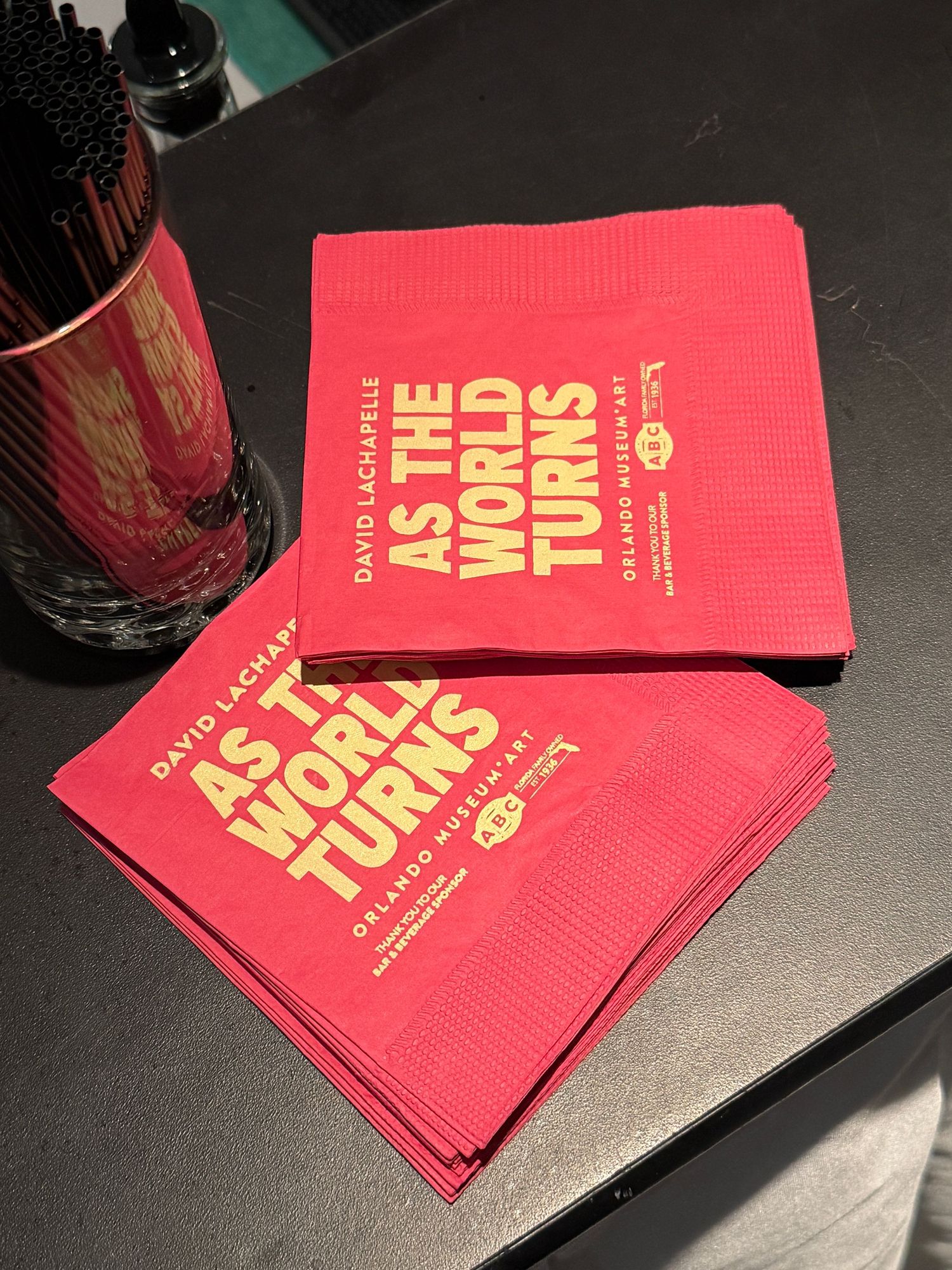
I discovered David LaChapelle in the late 1990s, at a time when my media diet looked very different from most teenagers my age. My parents discouraged reading the popular teenage magazines. Instead, I had subscriptions to Popular Mechanics, Popular Science, and a photography magazine. Every so often, I would treat myself to an issue of Vogue, and eventually I managed to get a subscription to Rolling Stone, telling my parents it was about the music. These magazines are where my love for David LaChapelle began.
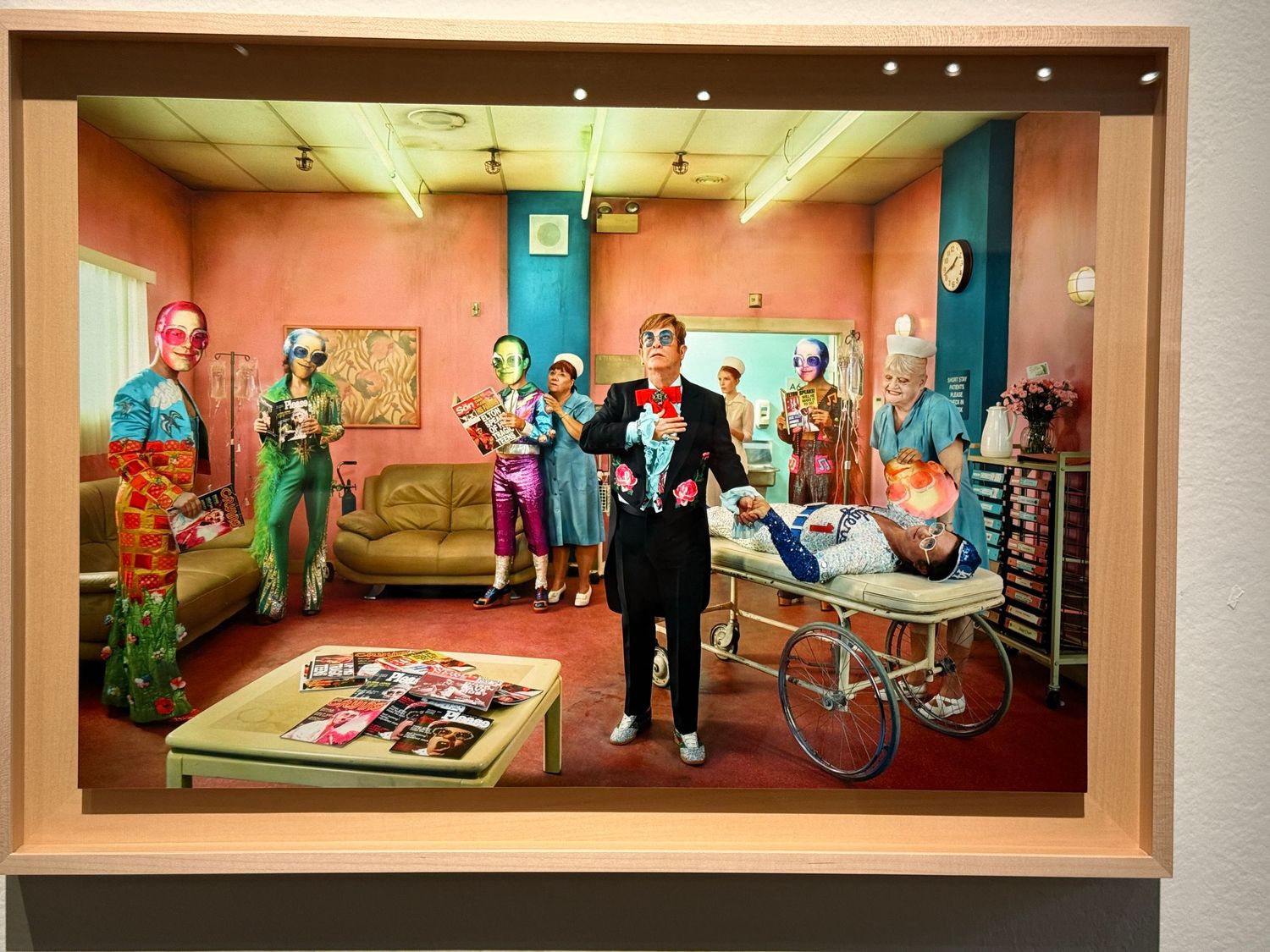
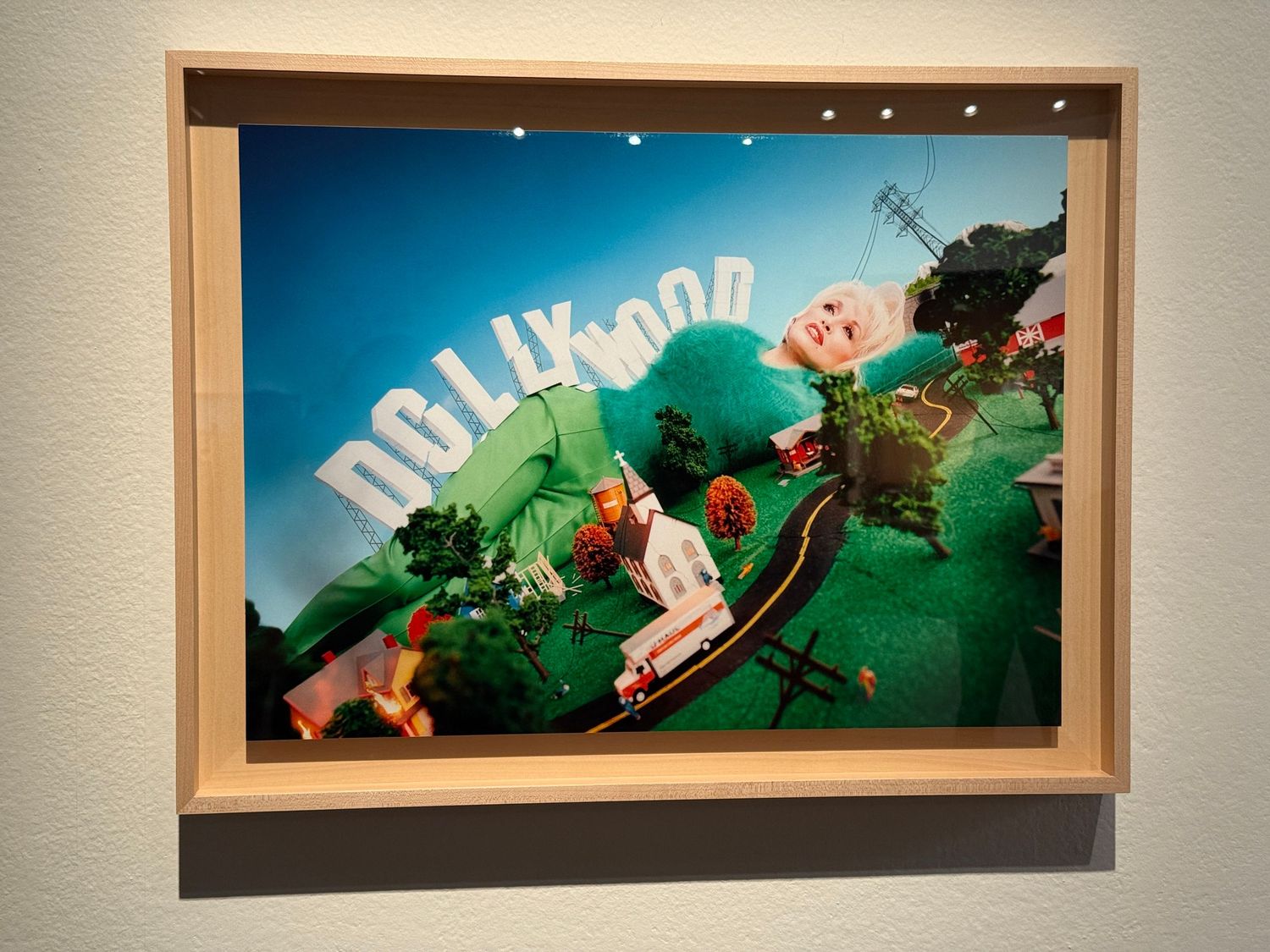
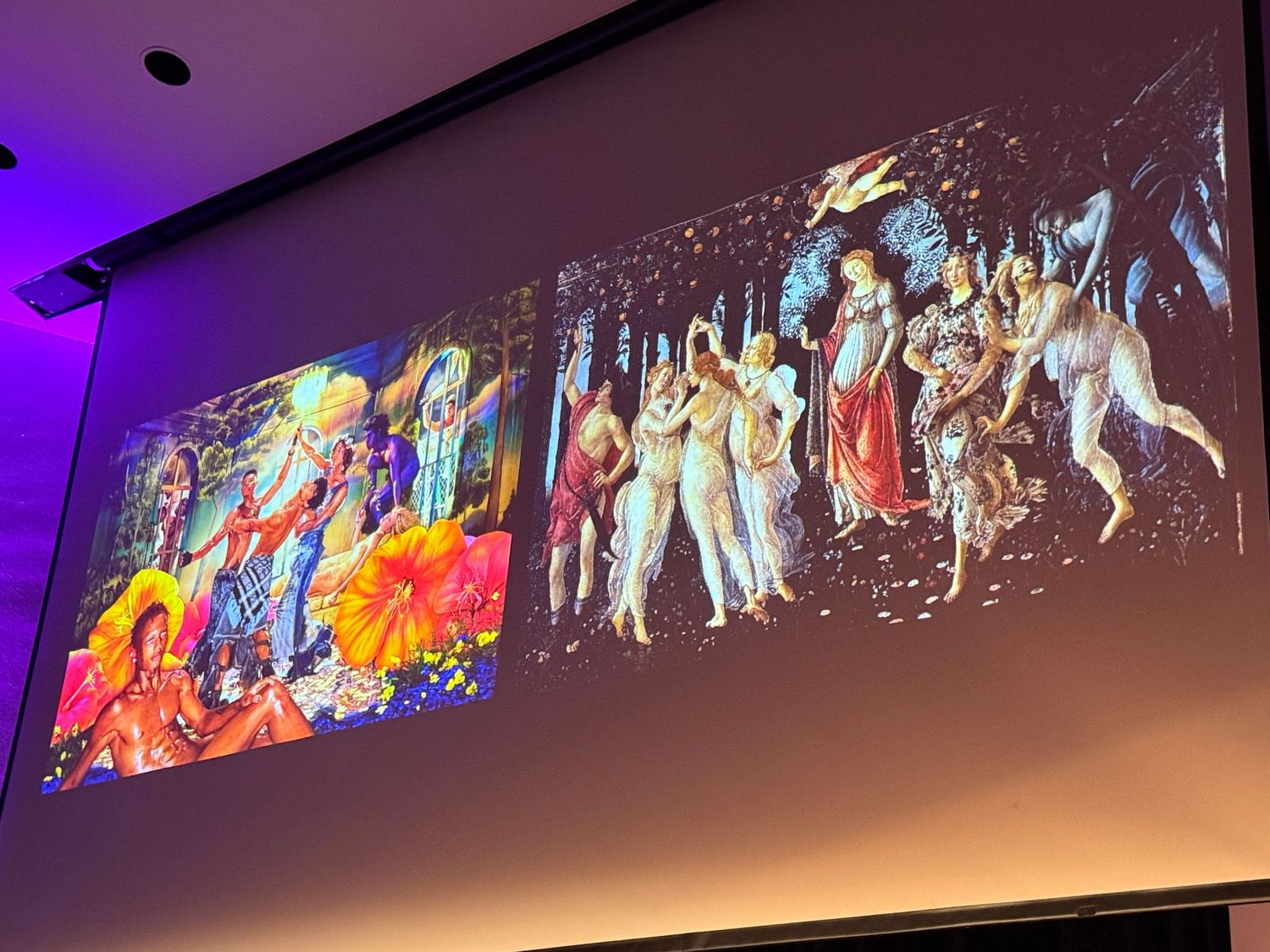
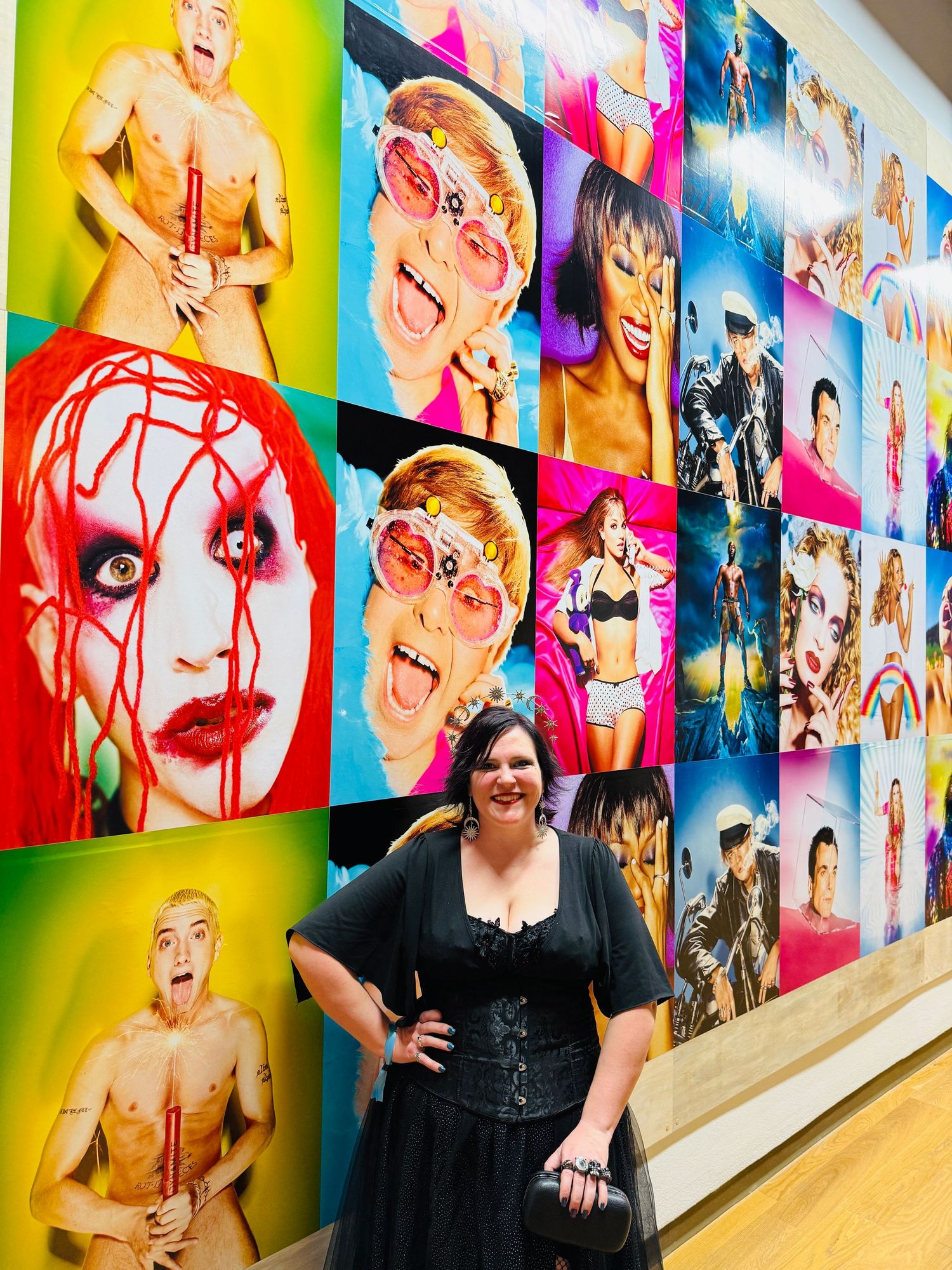
His images felt like nothing else I had ever seen. The colors were electric. The poses were exaggerated and intentional. The scenes felt chaotic and yet completely controlled. Every image told a story that felt surreal, cinematic, and unapologetic. It sparked my creativity, deepened my love of photography, and, if I am being honest, played a role in the sexual awakening of my teenage self. His work did not whisper. It demanded attention.
As I grew as a photographer, I never tried to emulate his work or pursue the fashion world he often occupied. That path was never mine. But he stayed with me. Through music videos, editorial spreads, and portraits of cultural icons, his work lived in my peripheral vision. He was never the driving force behind my career, but he was always a source of perpetual fuel. His images are seared into my brain, quietly reminding me that photography can be bold, strange, beautiful, and fearless.
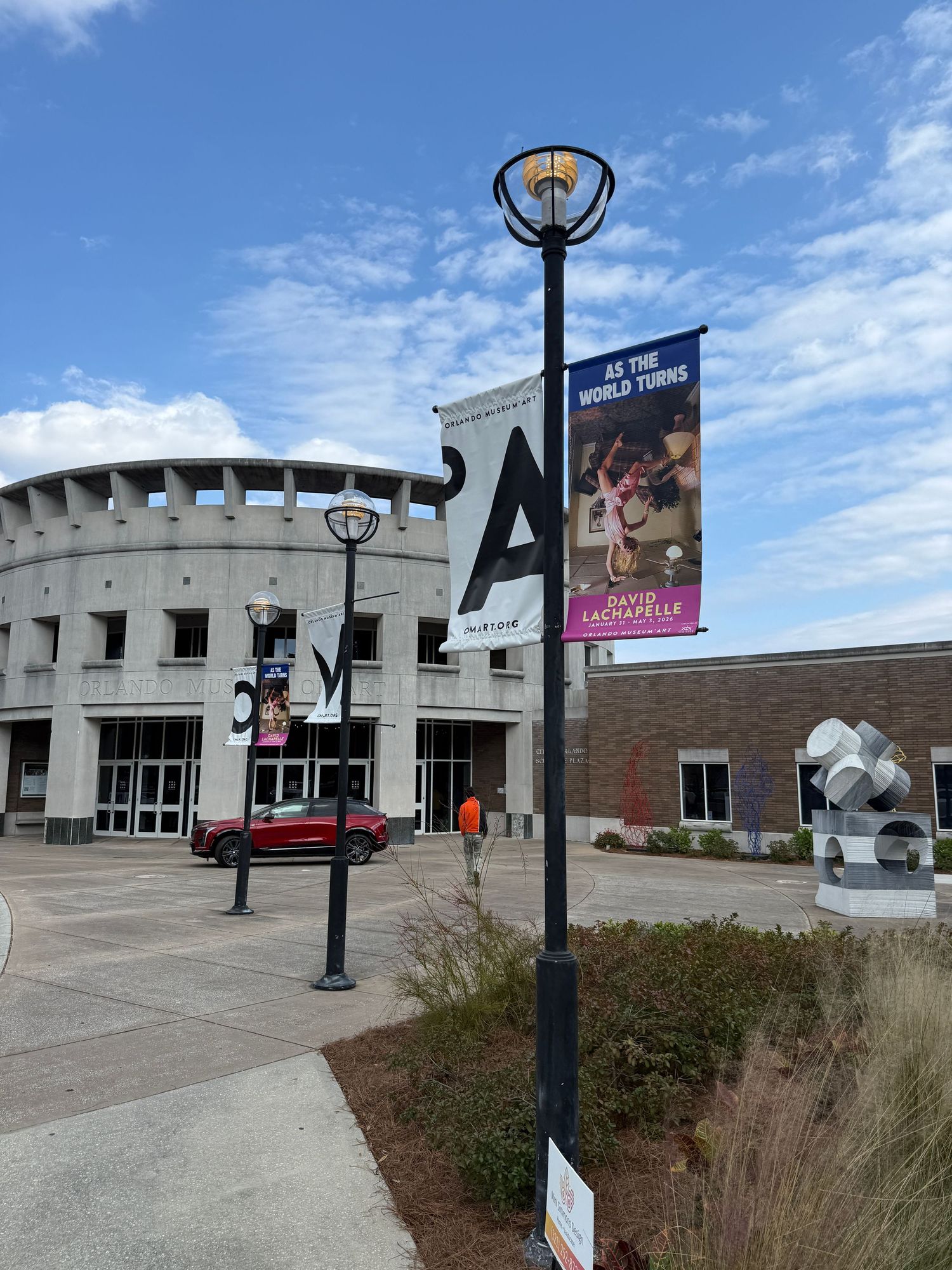
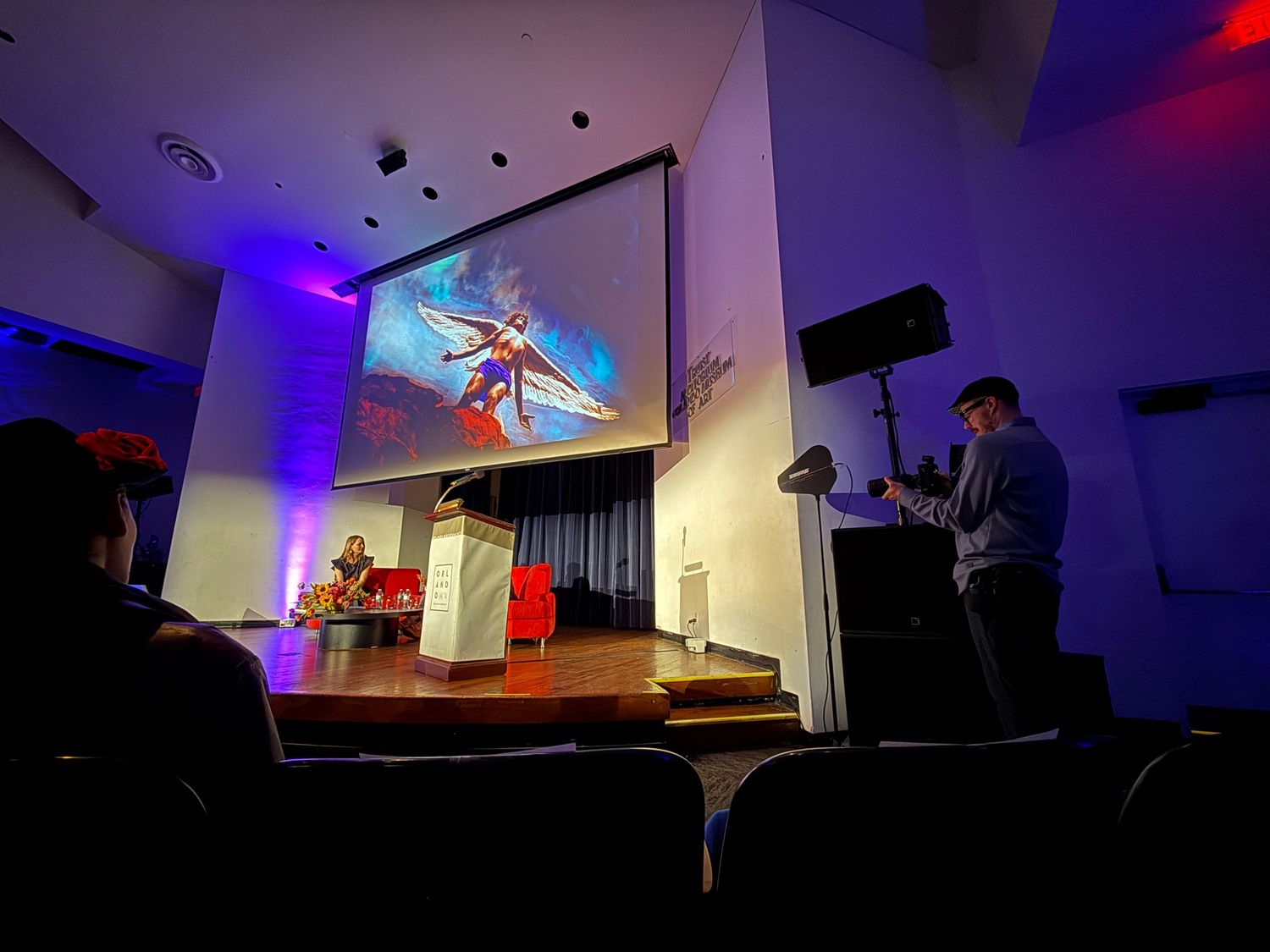
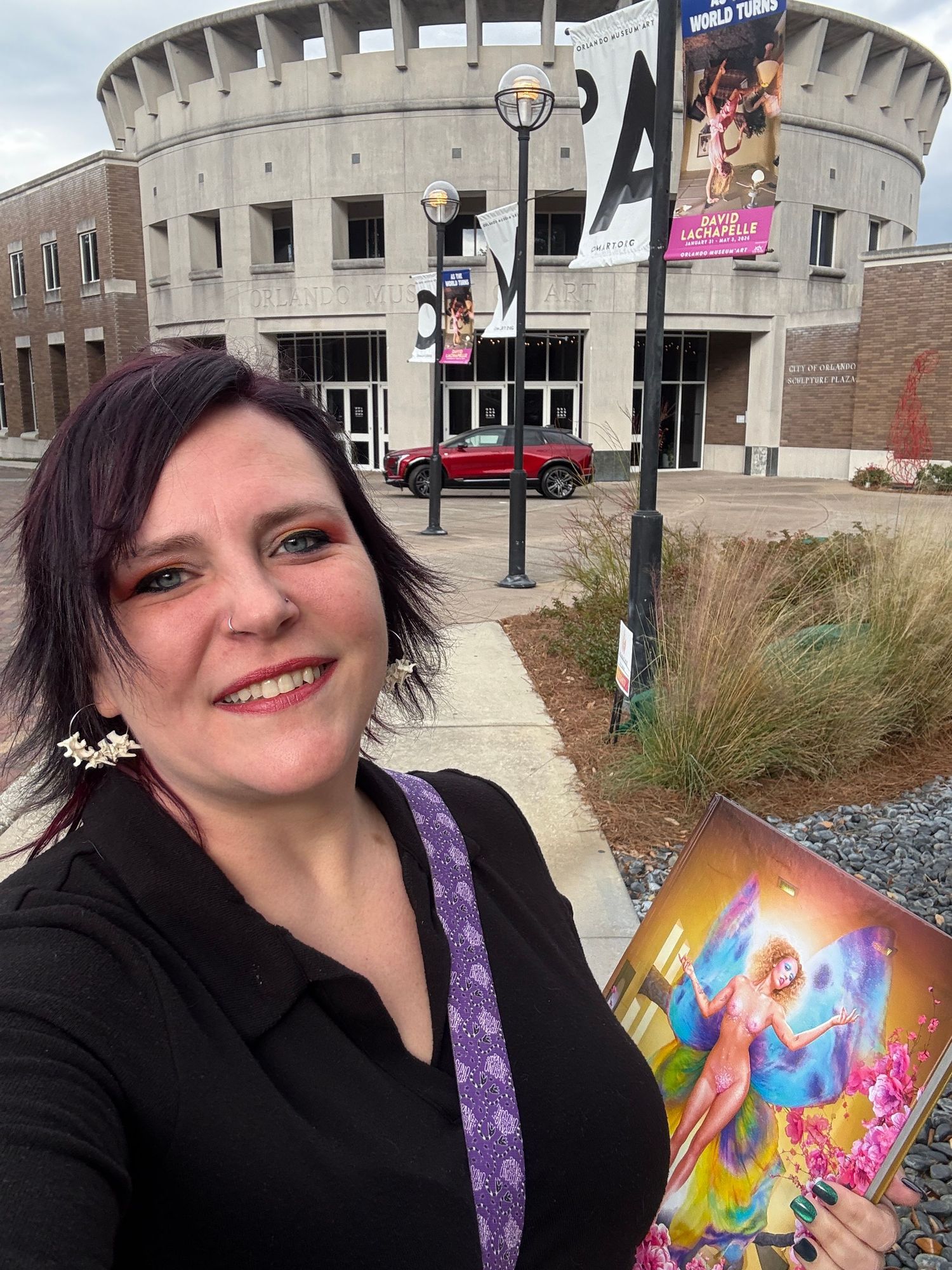
So when I heard that he was opening a show at the Orlando Museum of Art, my heart dropped.
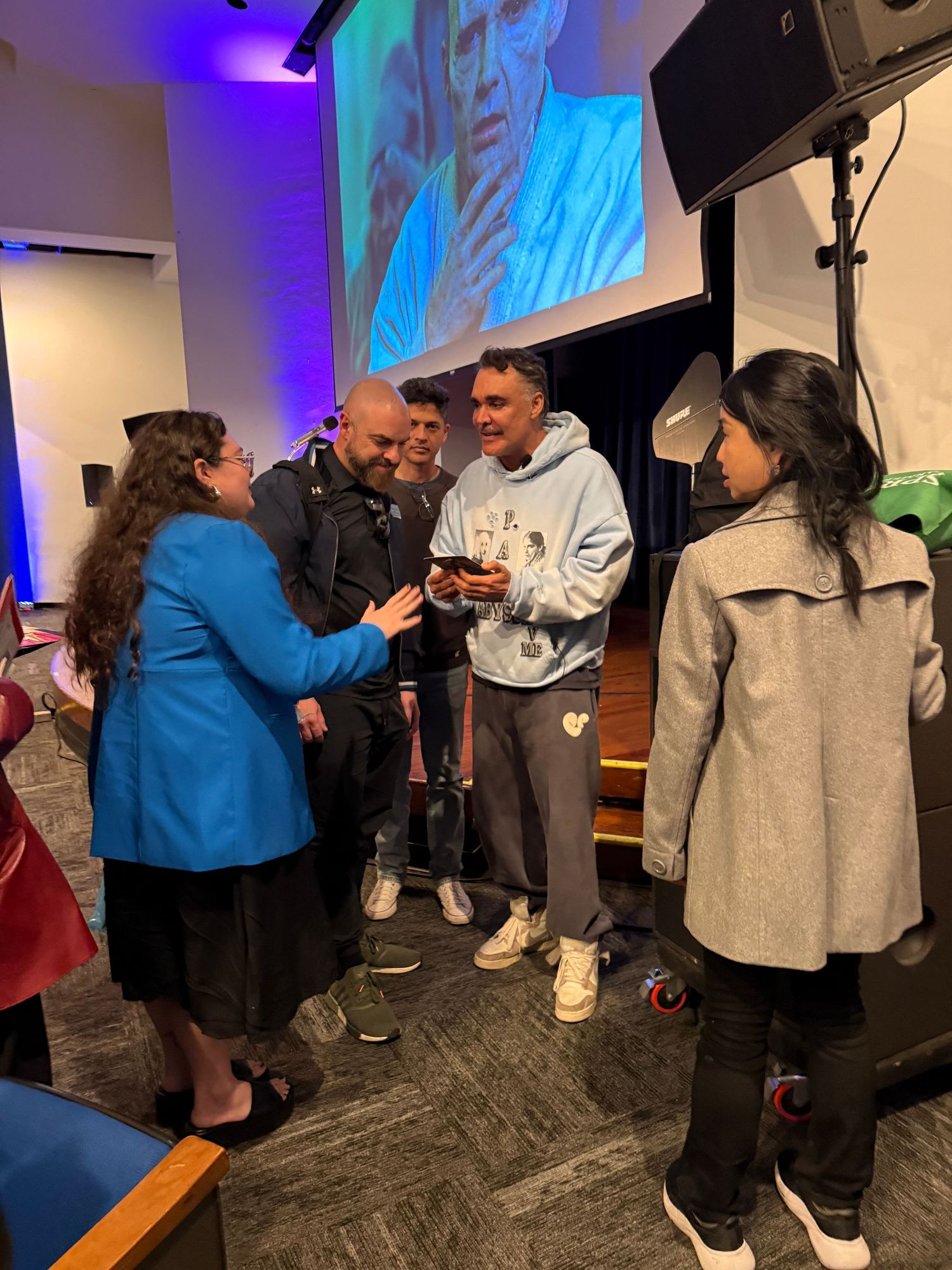
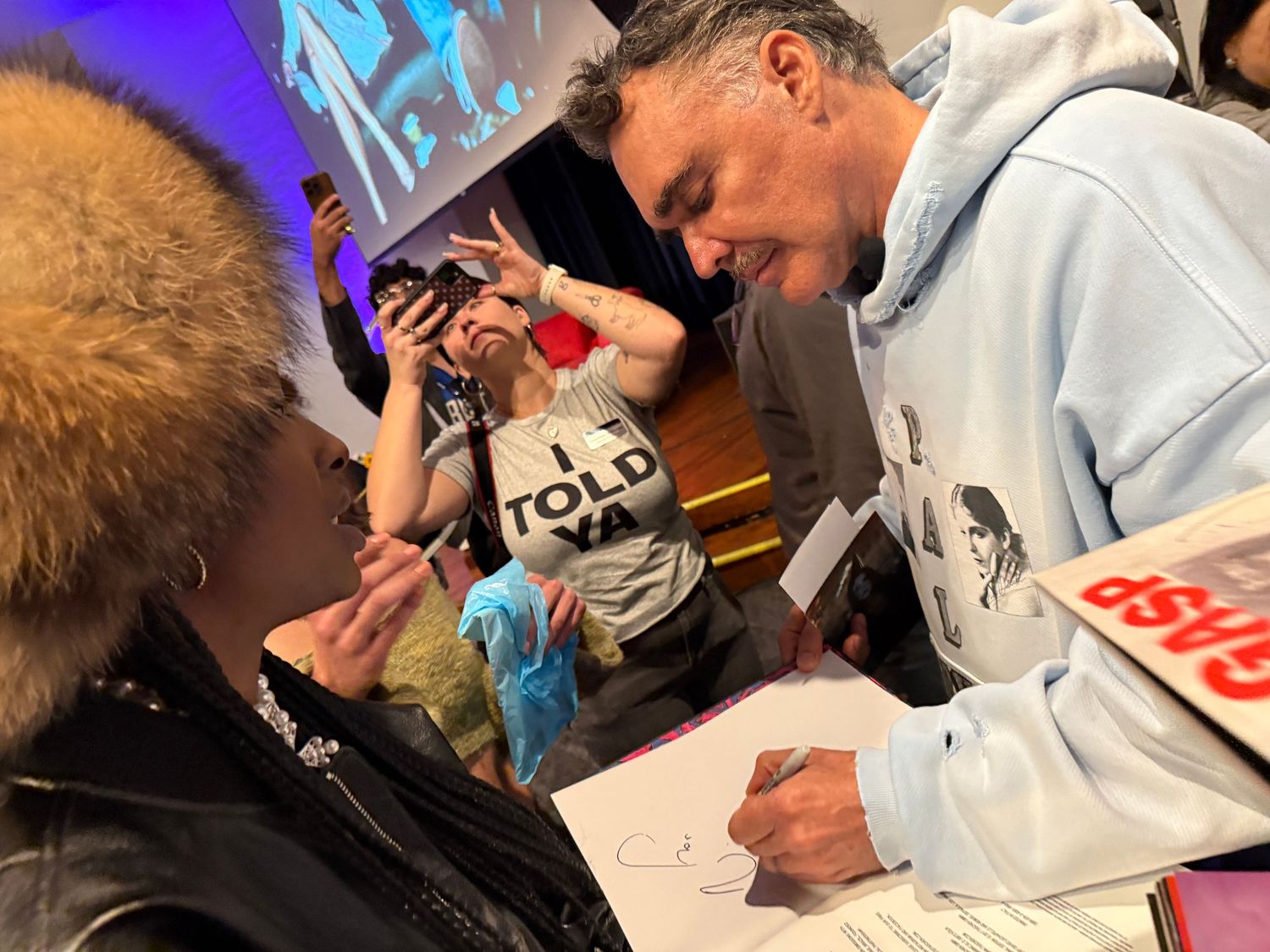
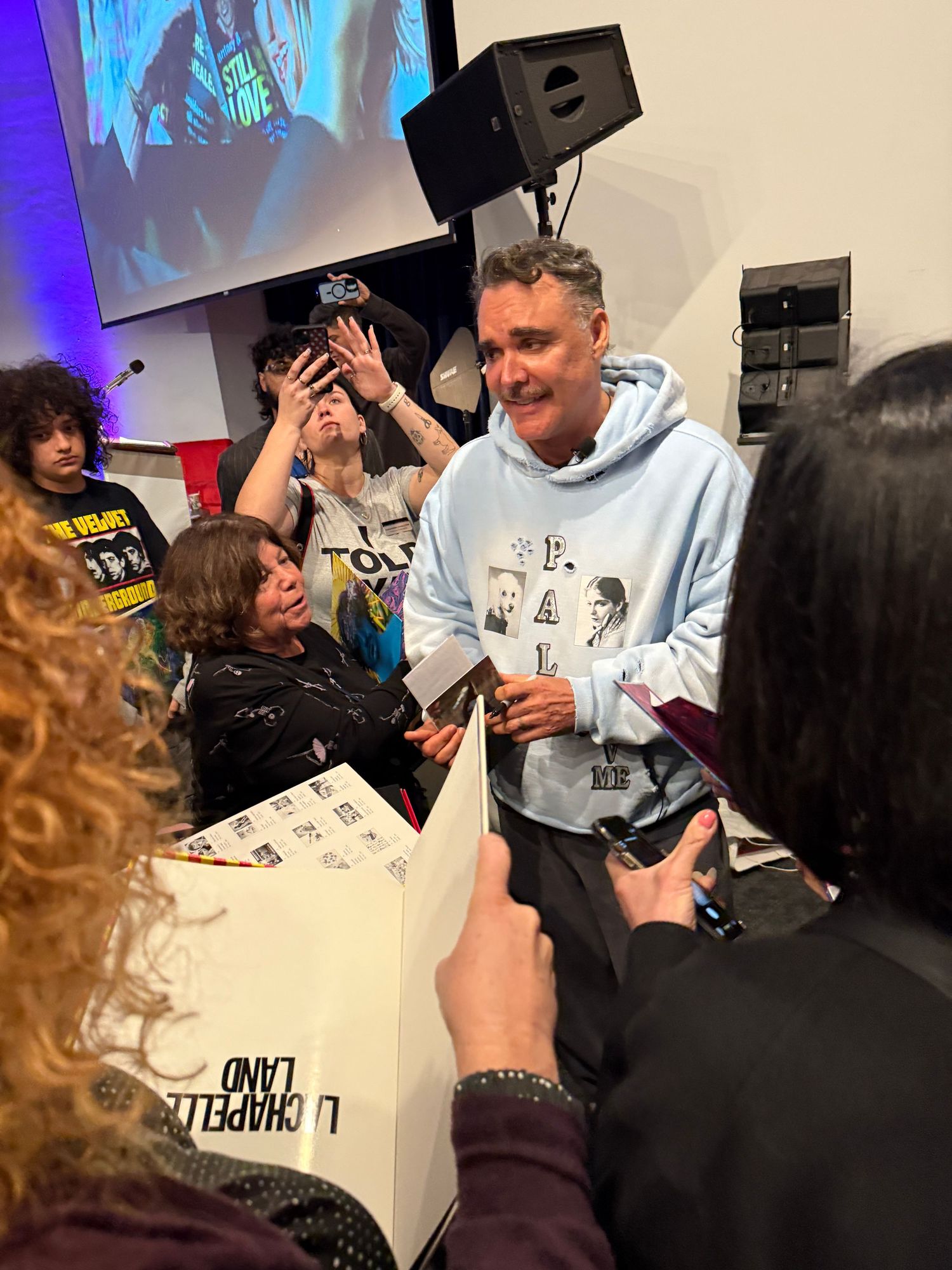
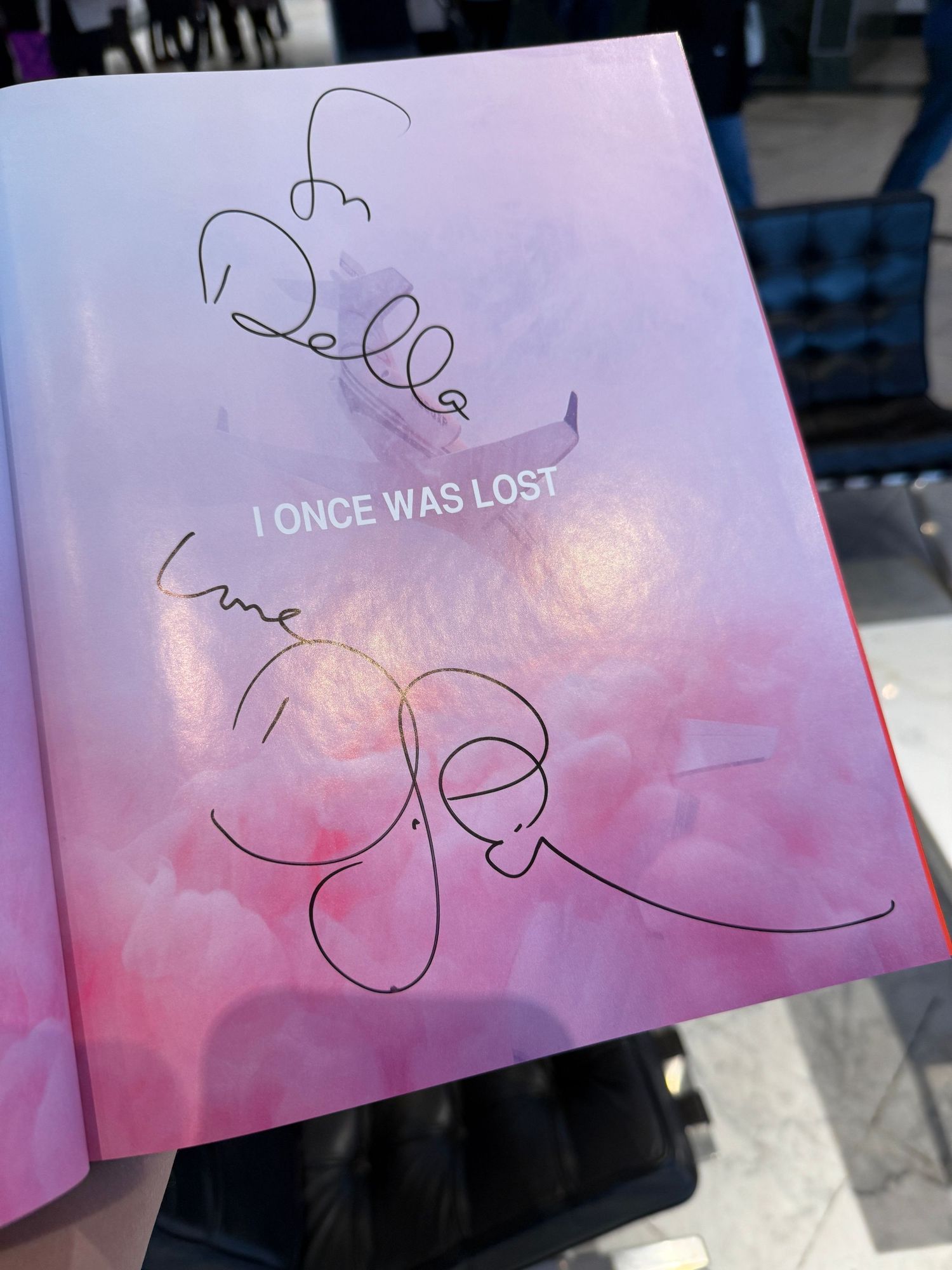
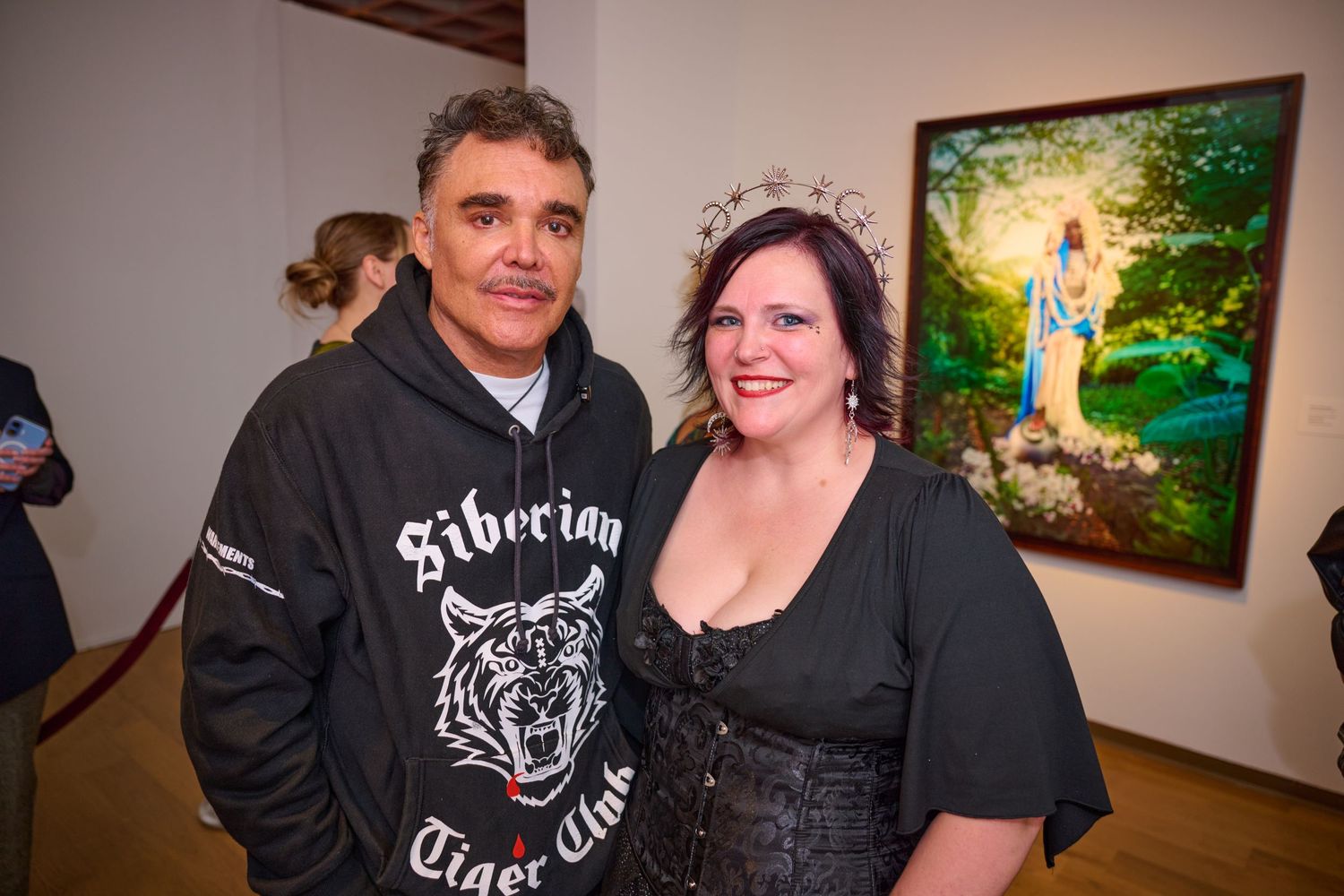
I never imagined I would see his work in person. I certainly never imagined meeting him. Taking a photo with him. Having him sign my book. It felt unreal.
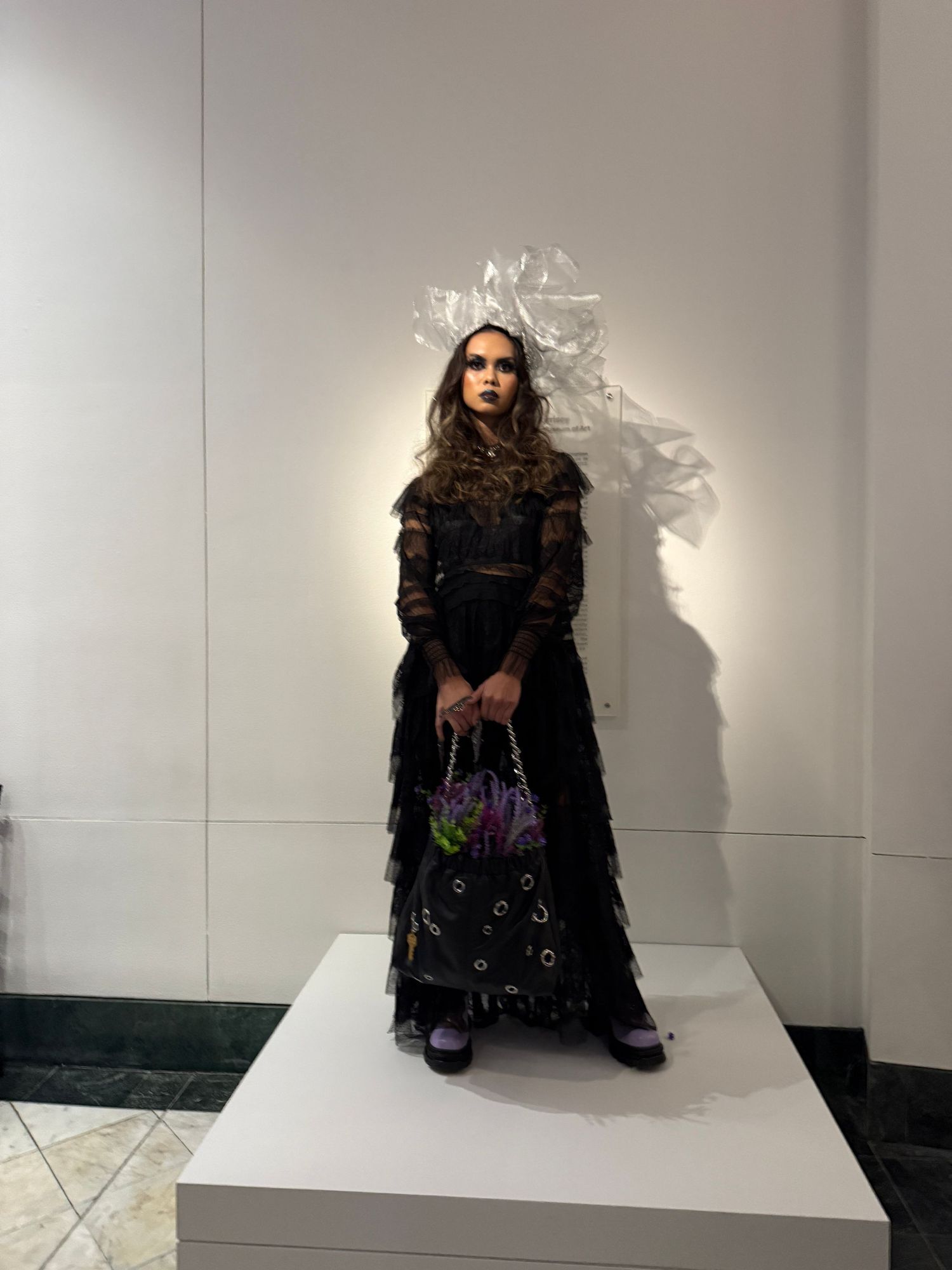
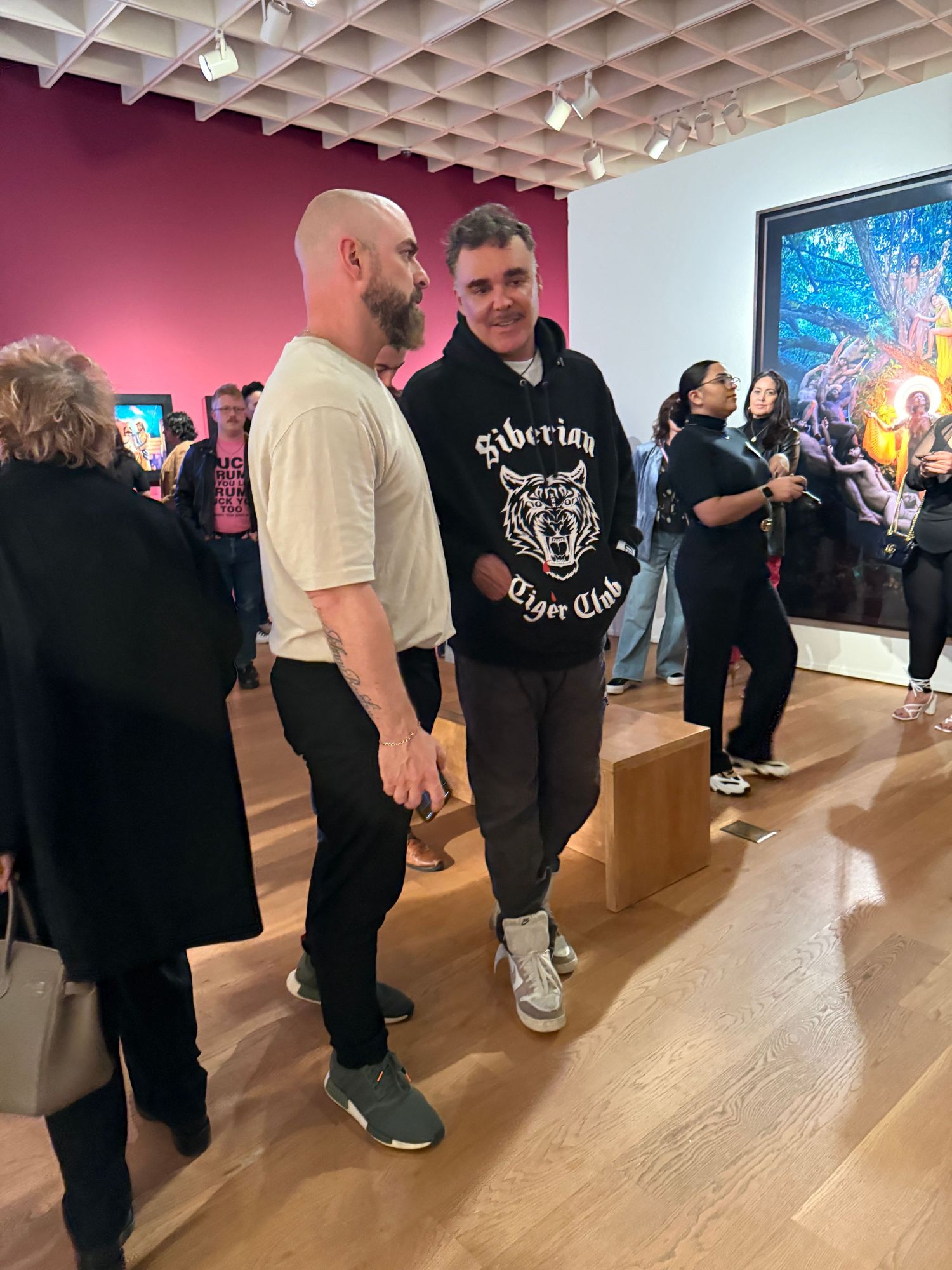
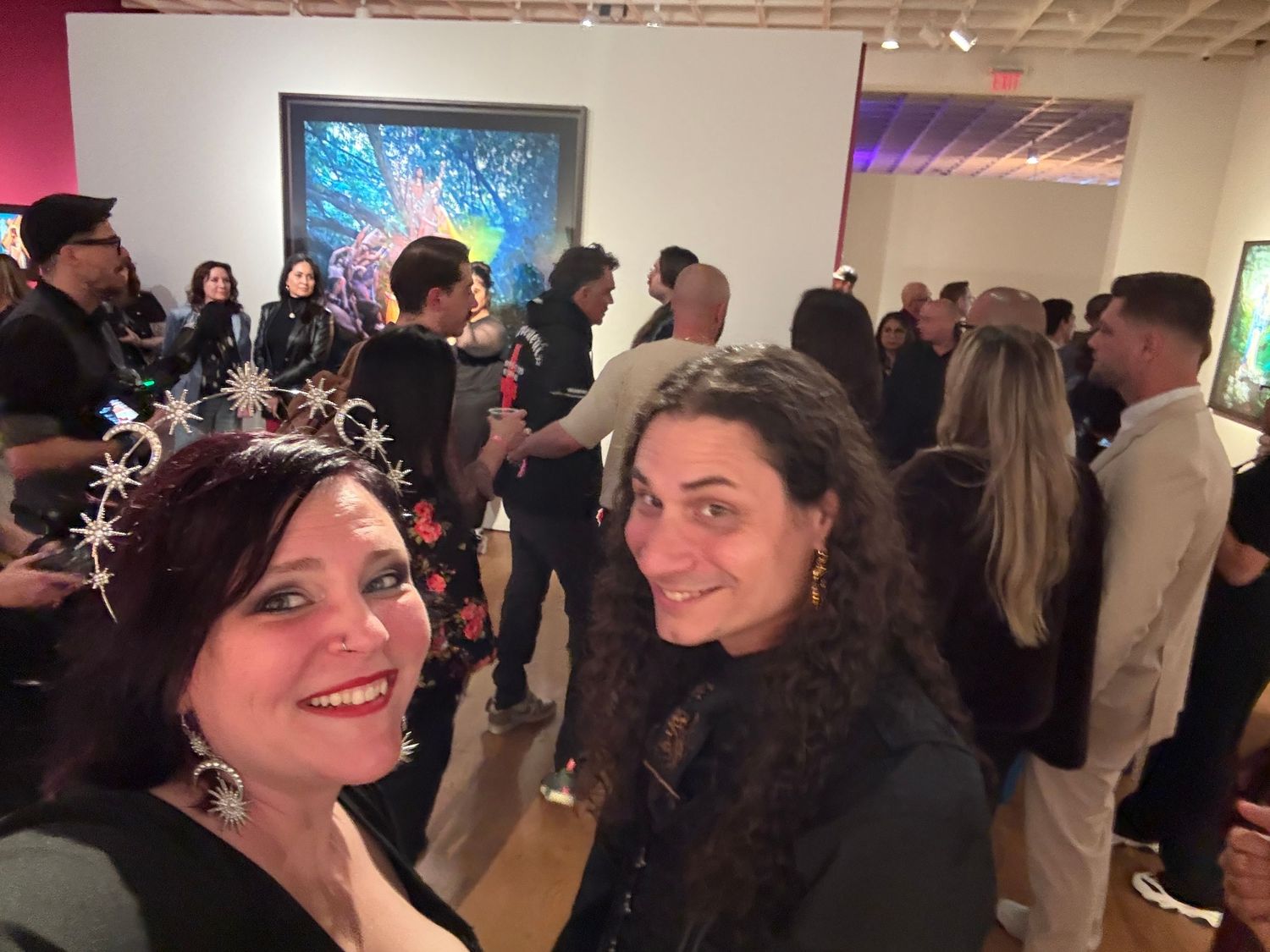
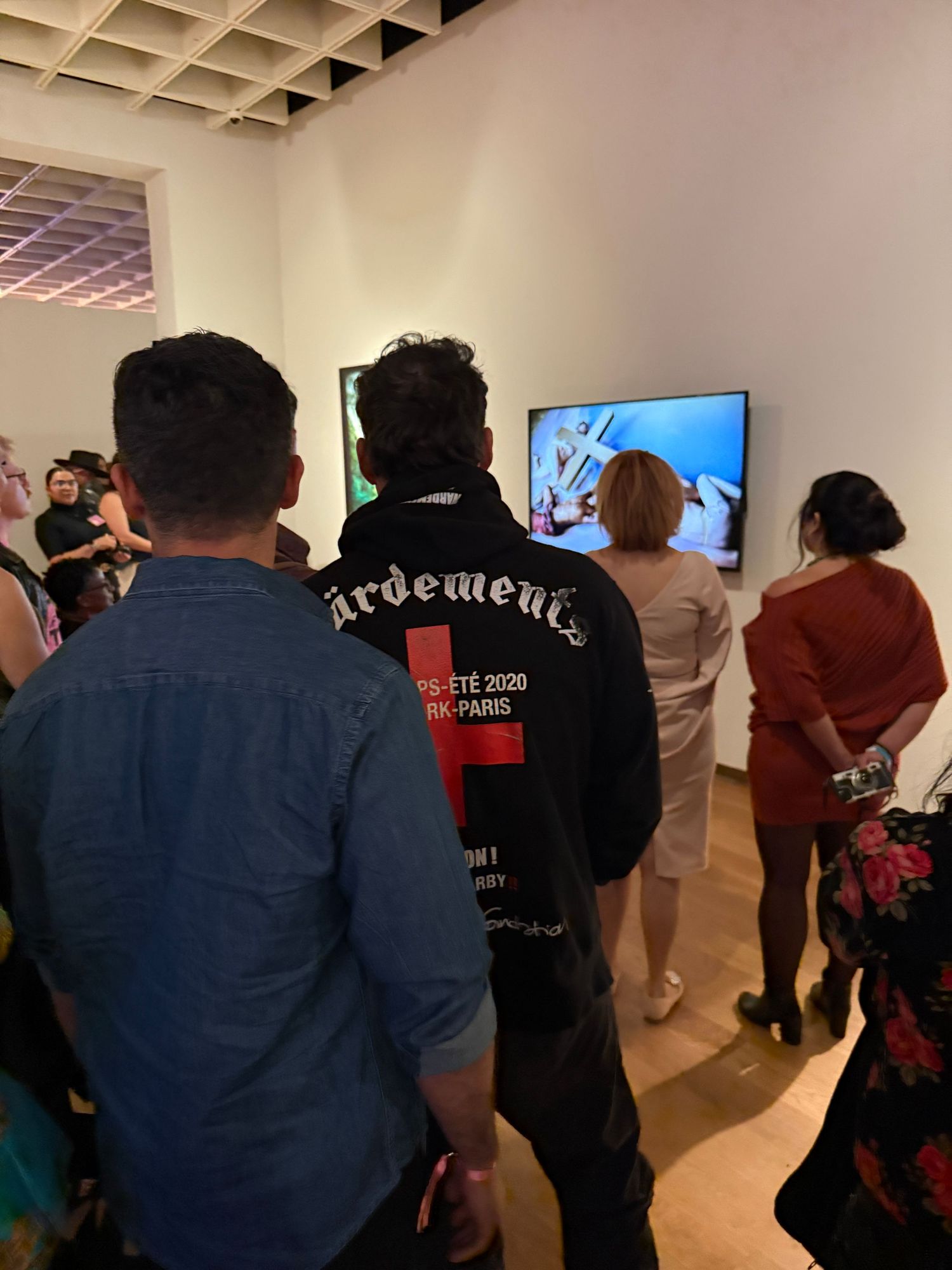
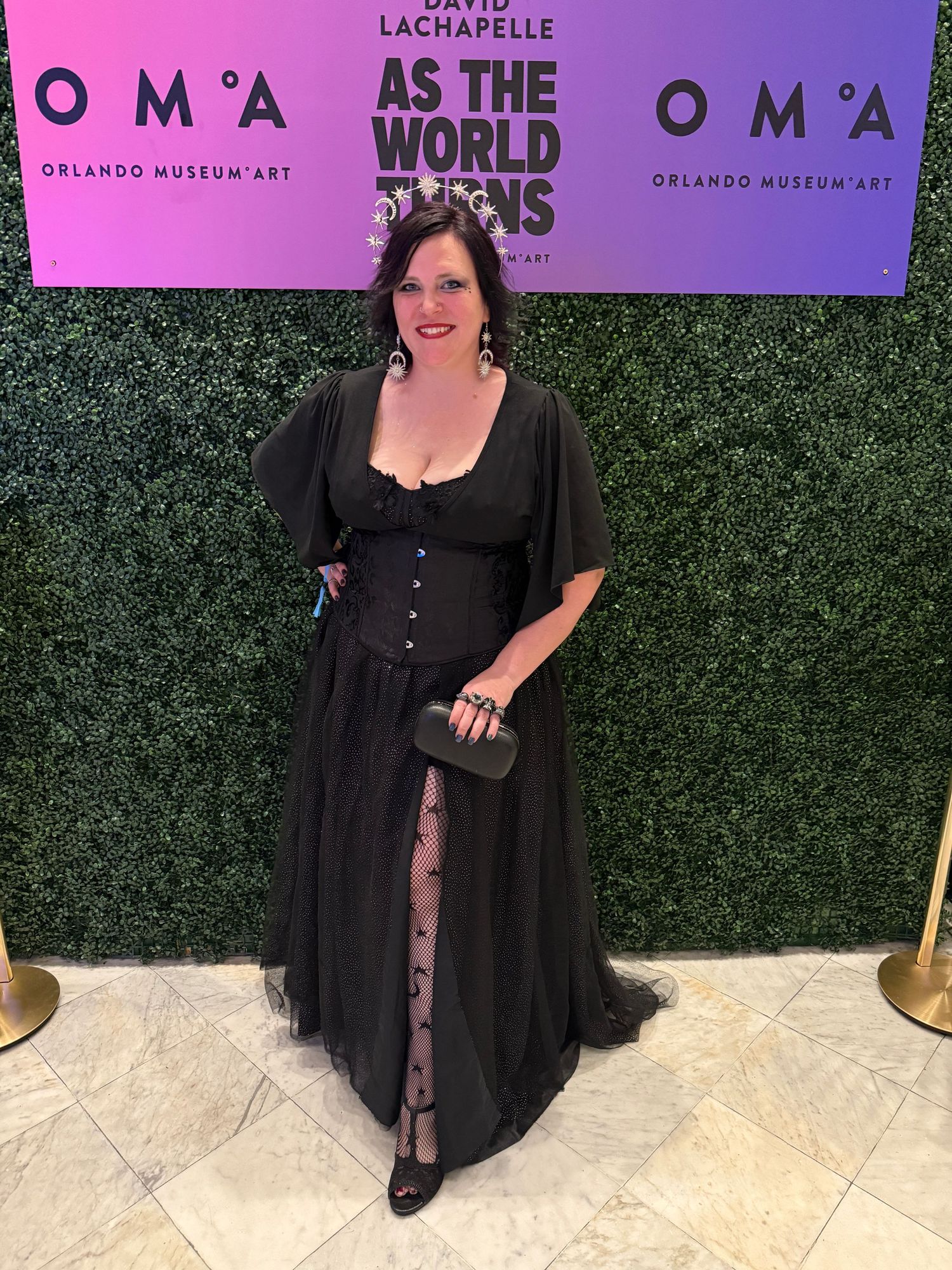
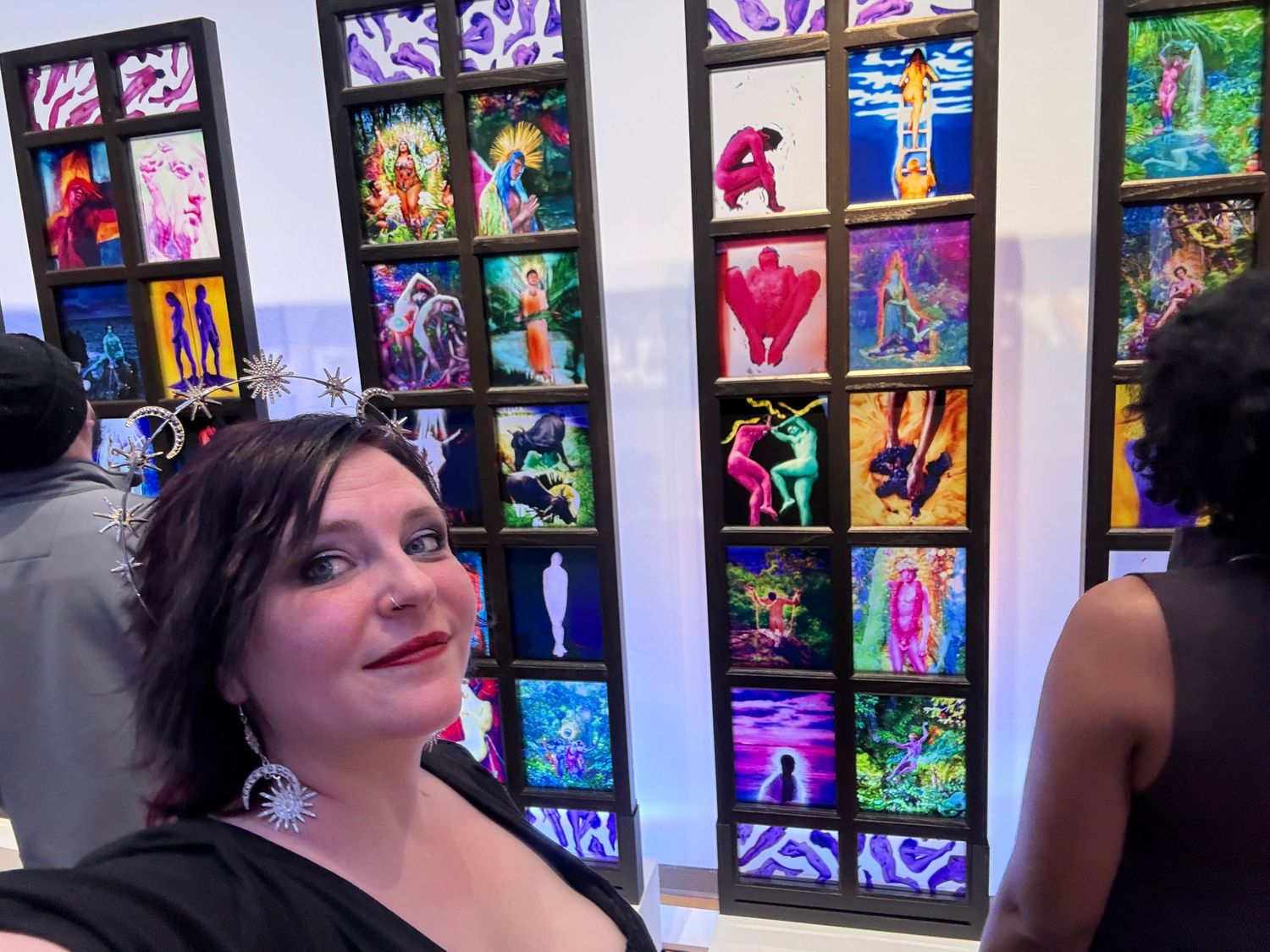
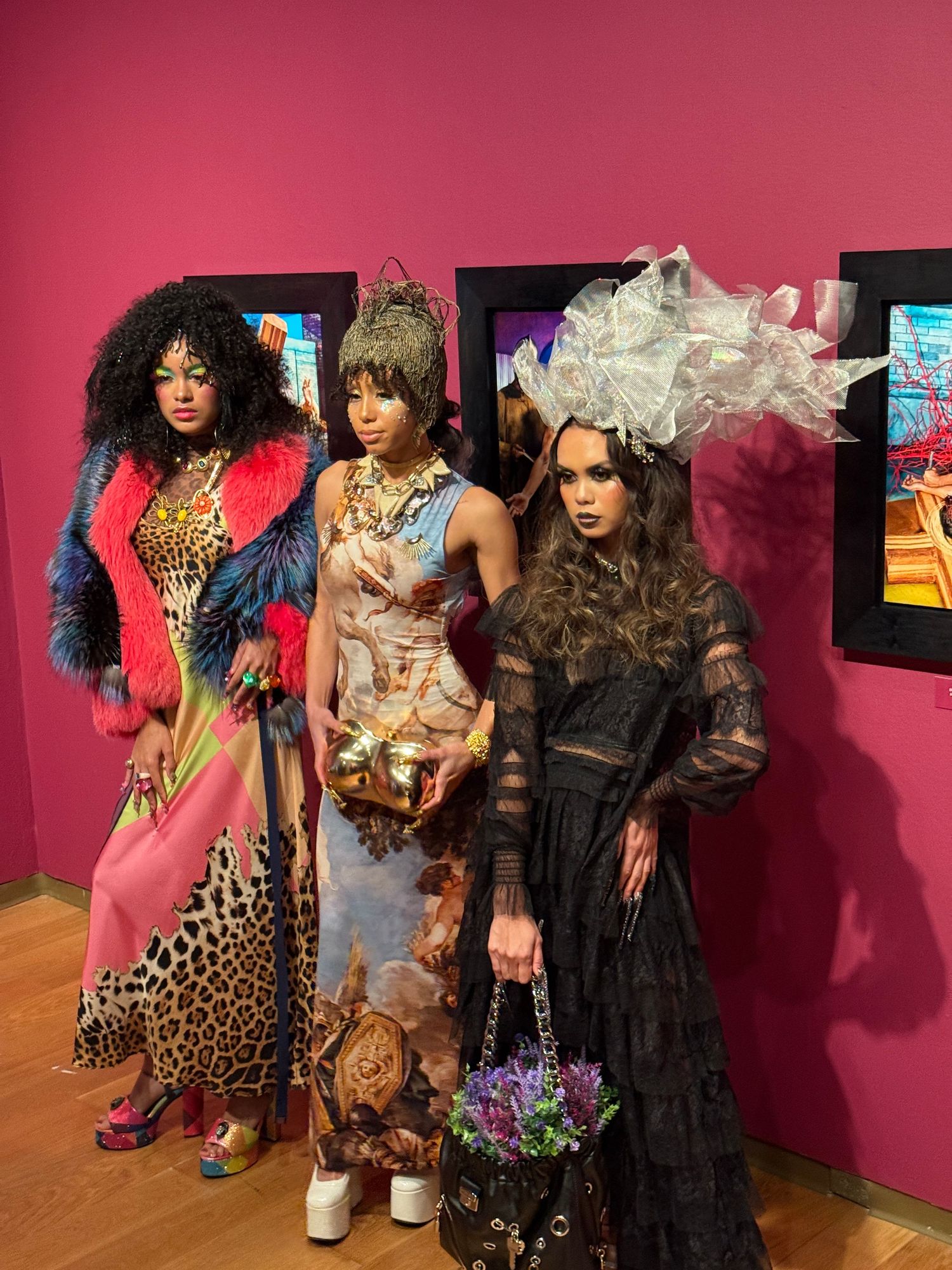
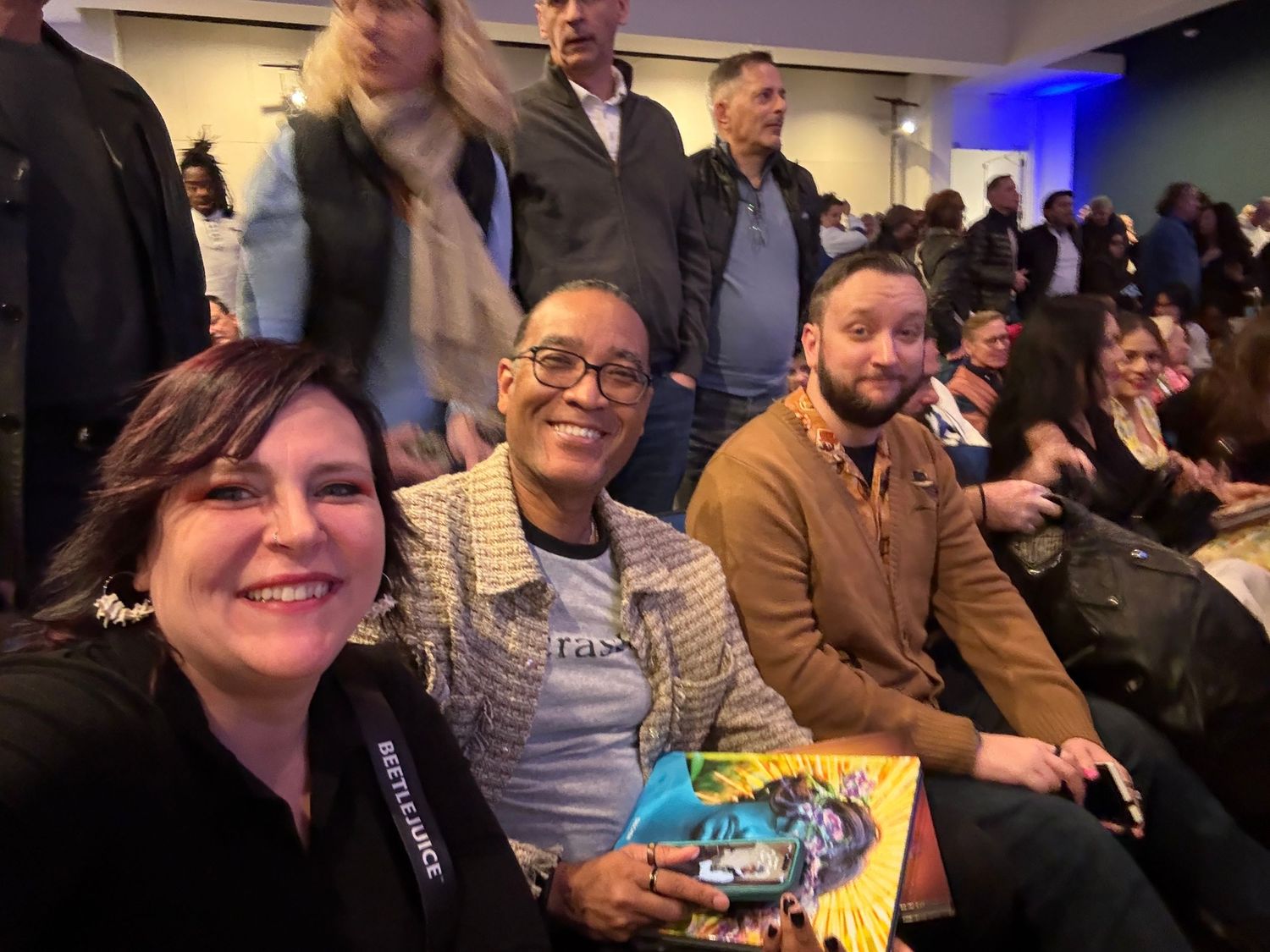
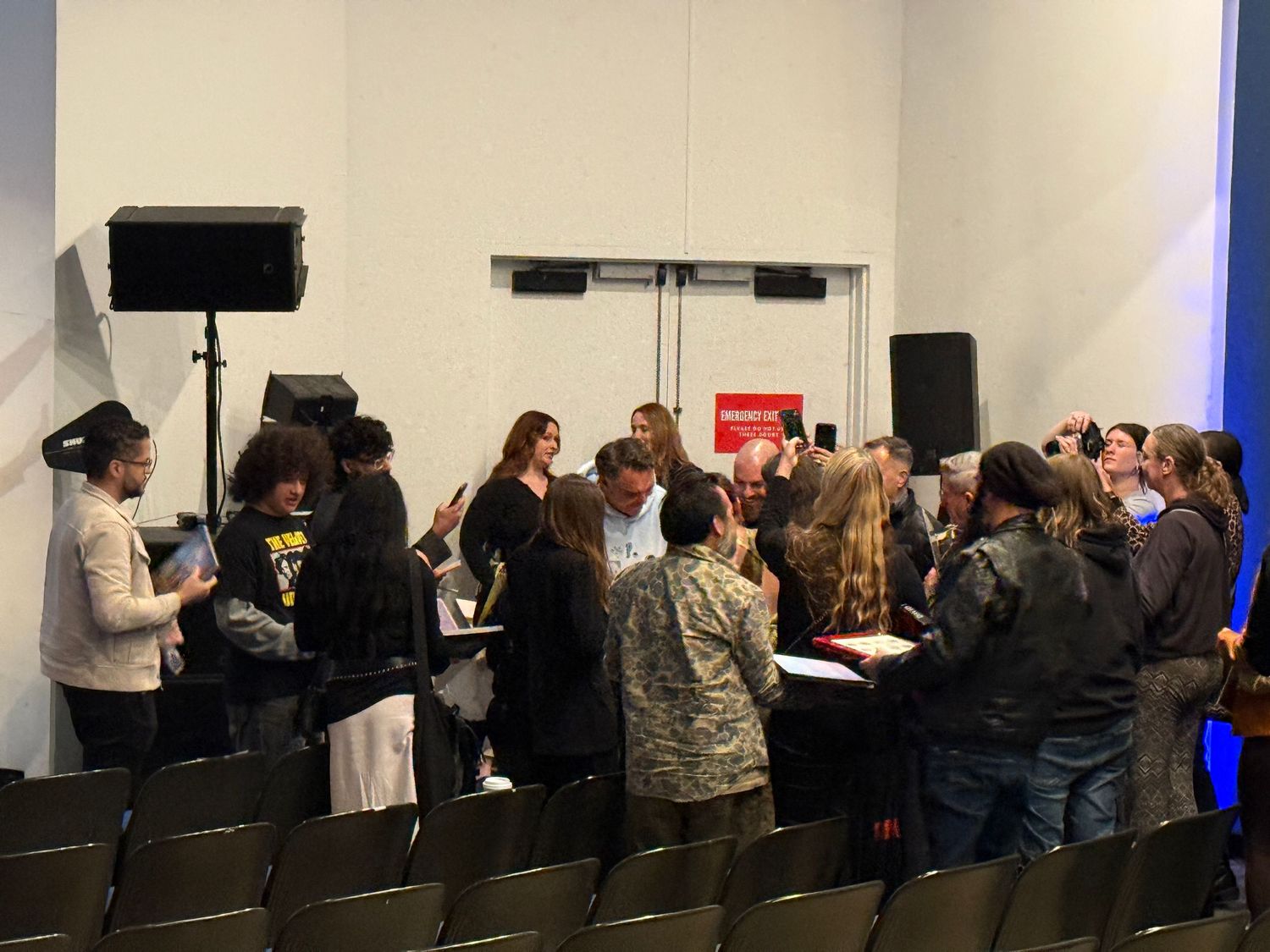
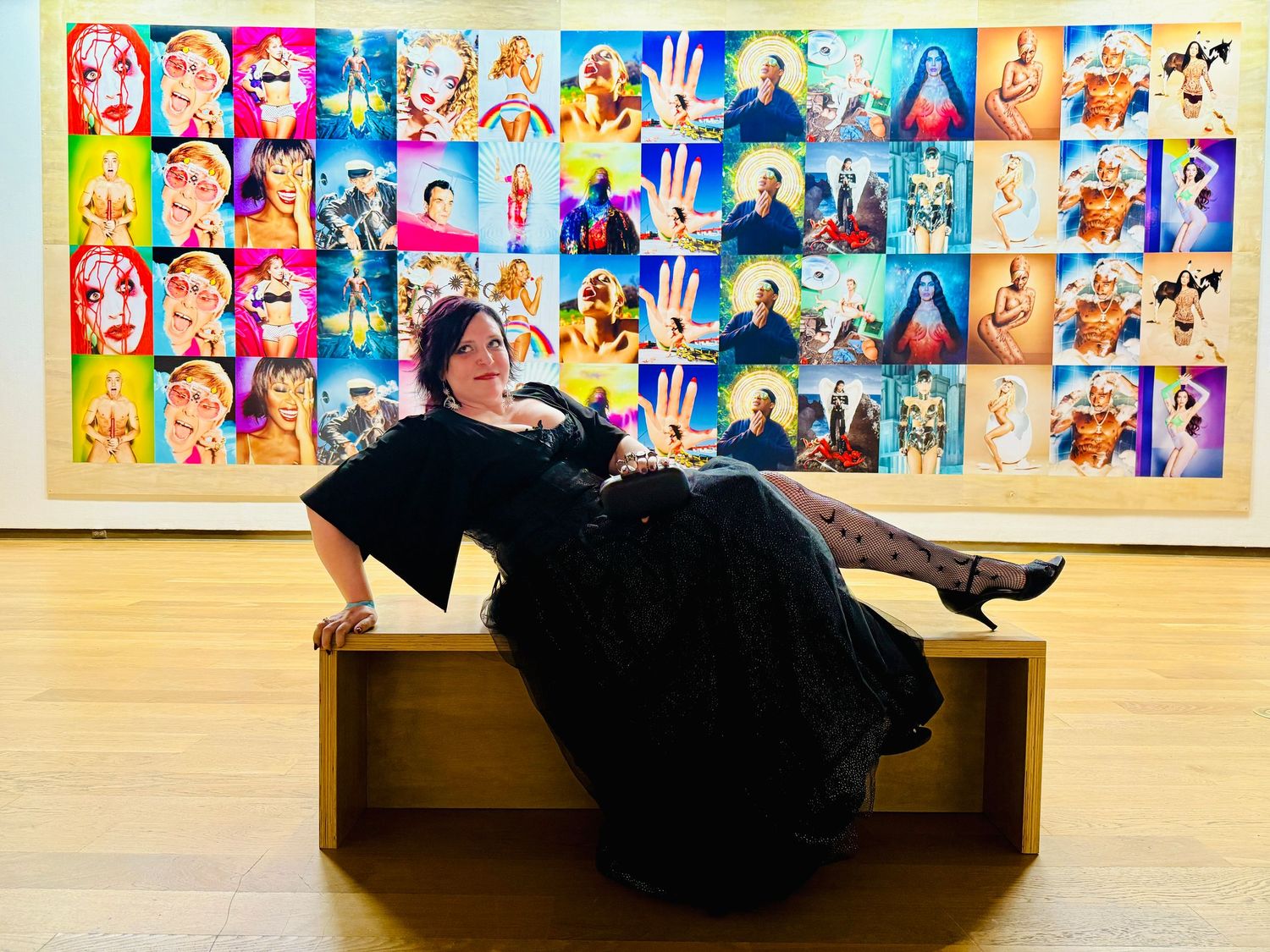
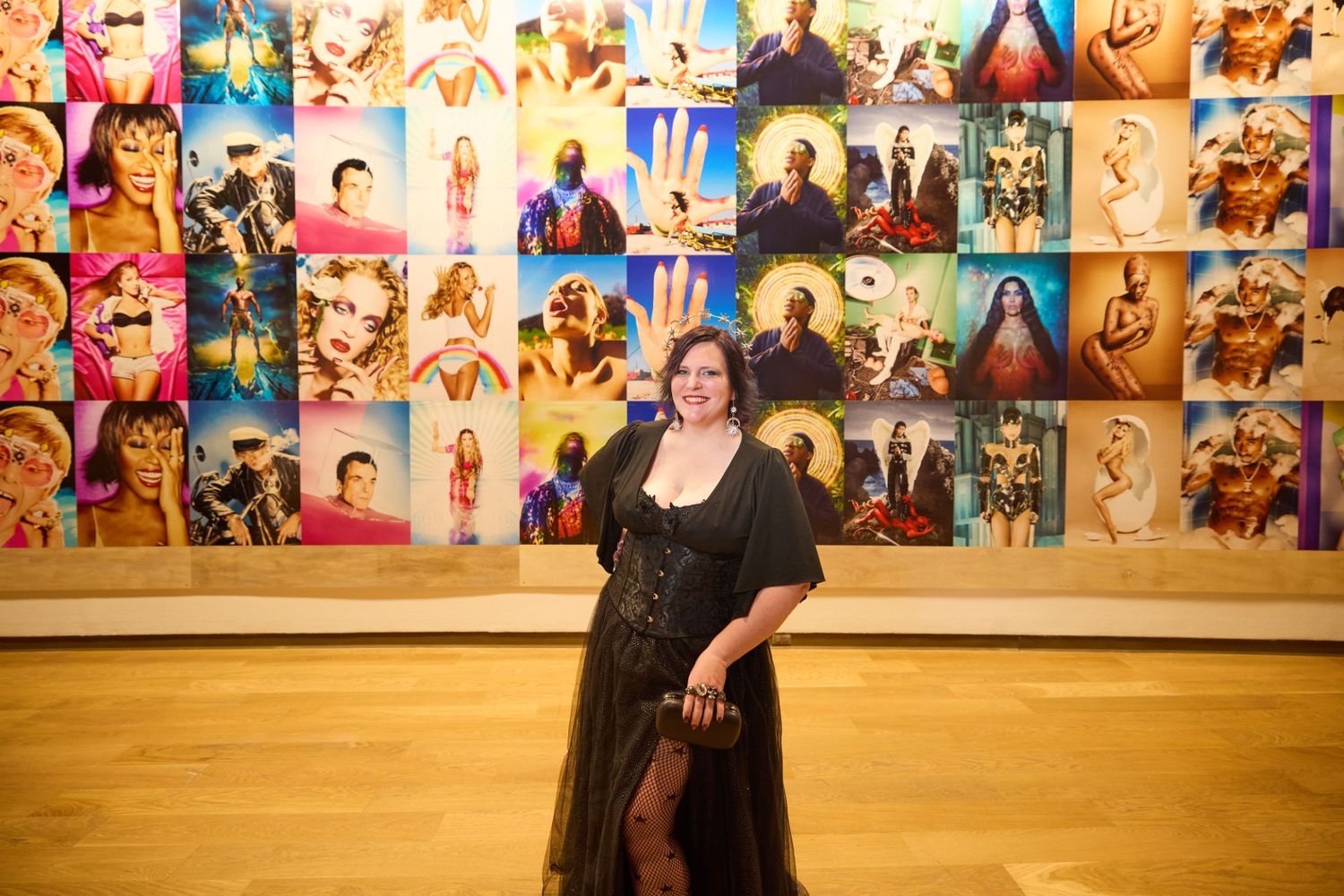
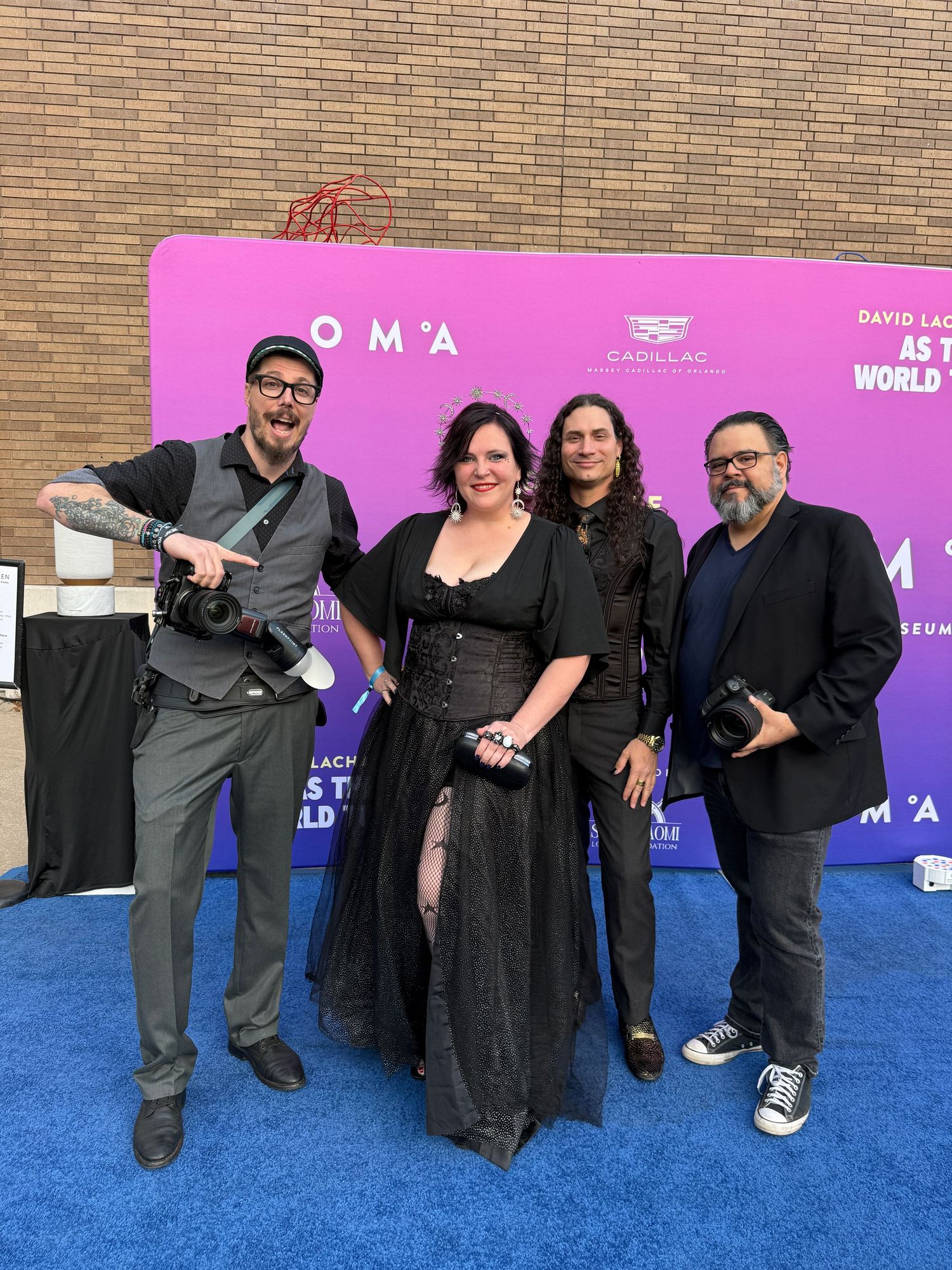
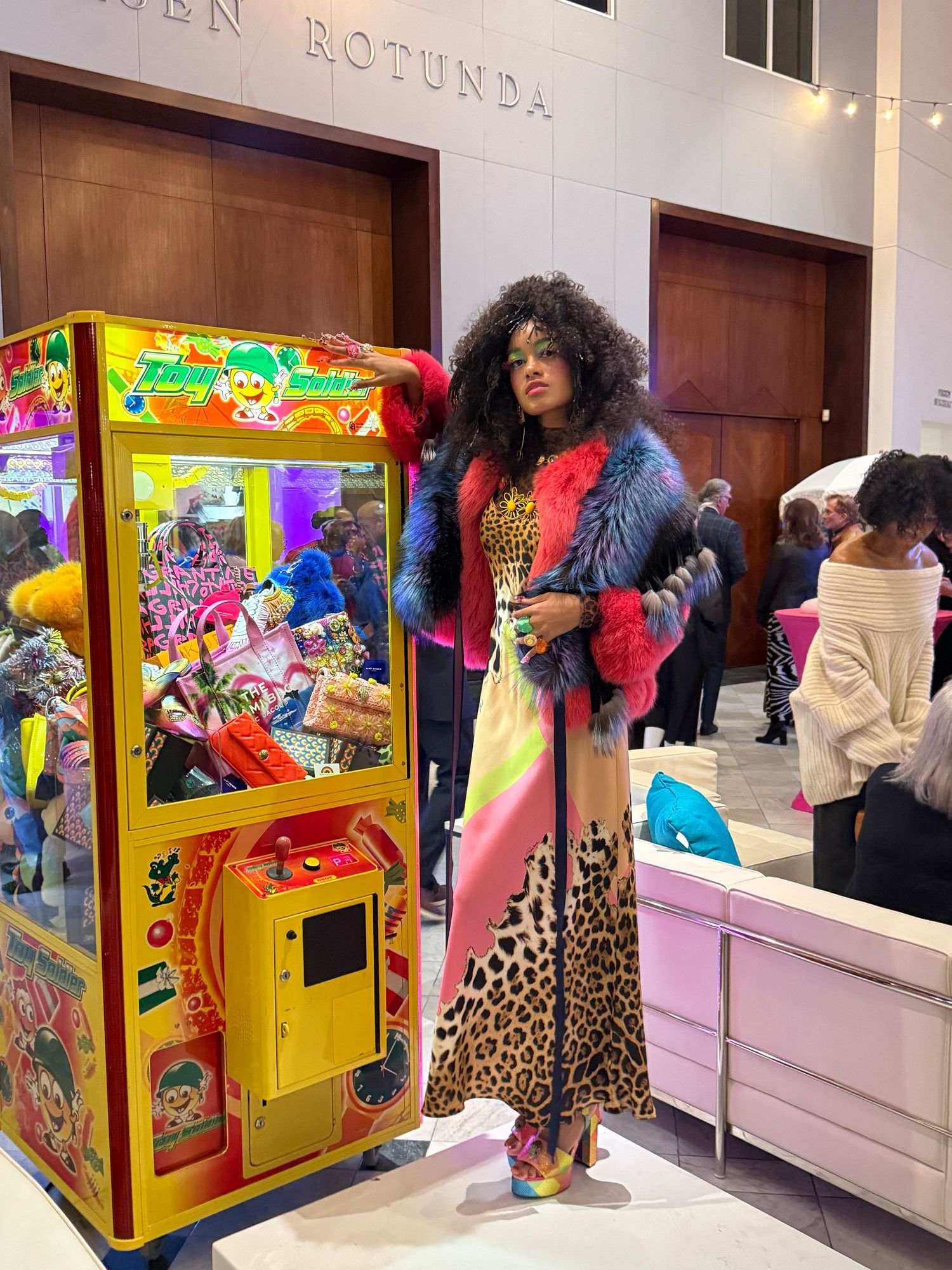
The opening night was everything I hoped it would be. I enjoyed having my photo taken, nibbling on small bites, having a drink, and socializing while wandering through the gallery. I found myself trailing behind David LaChapelle like a devoted disciple, soaking in any words I could overhear as he spoke to others. I waited. I paced. I worked up the courage to ask for a photo. I stayed until the gallery closed and security gently ushered us out, me asking for one last photo before the night ended.
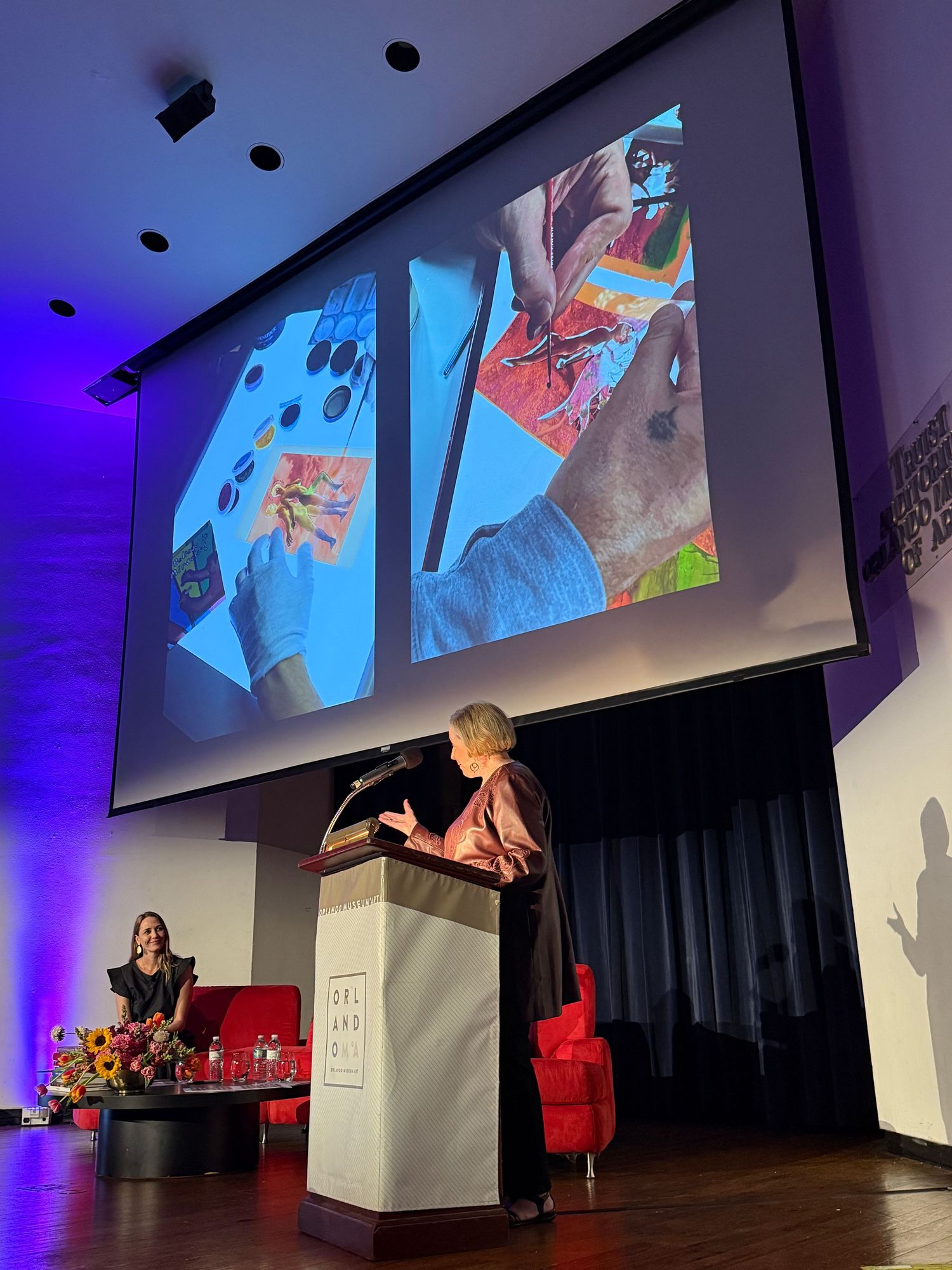
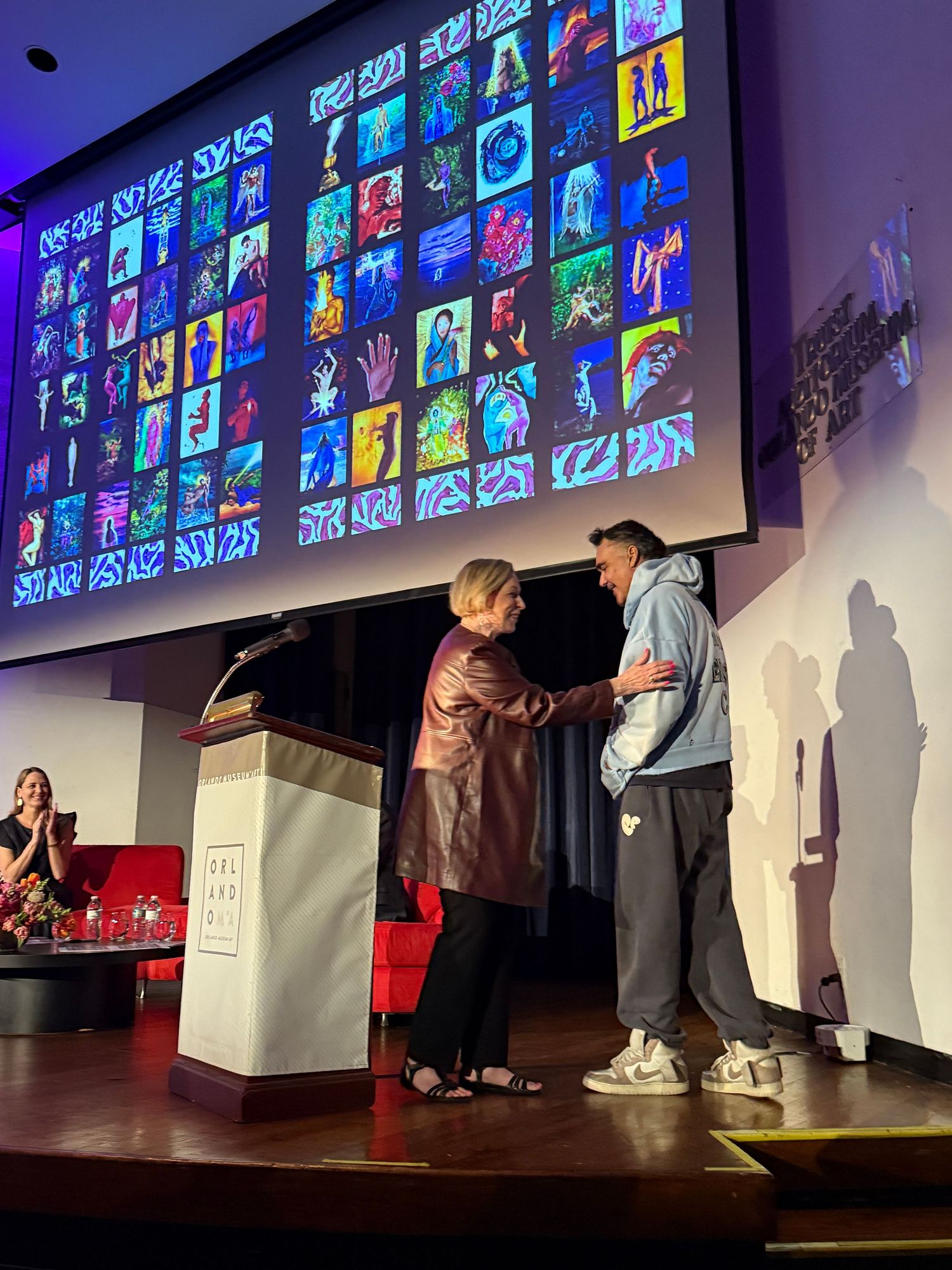
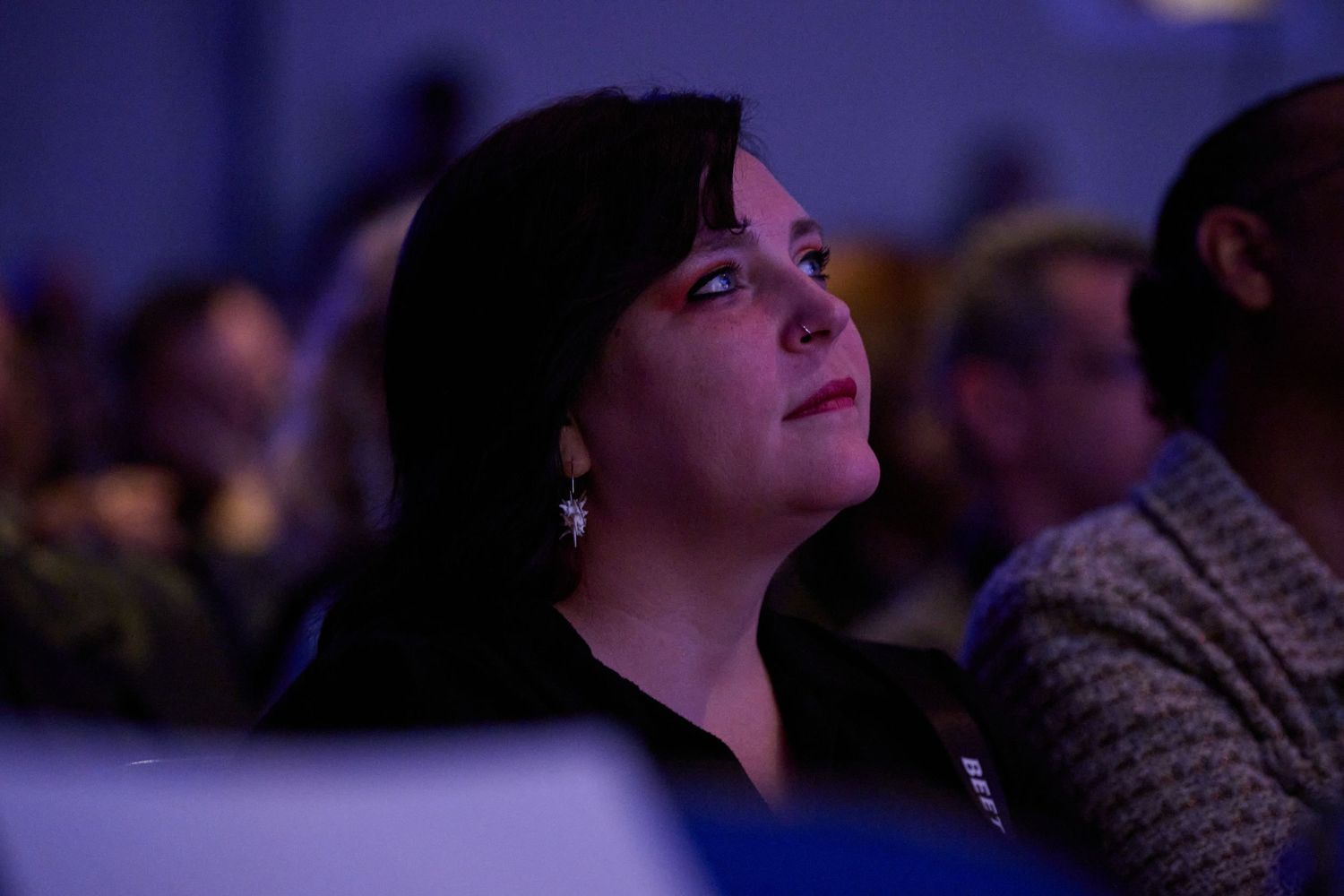
The next day, I sat in the second row for his Q&A panel. I listened to his stories, his process, his reflections. When he signed my book, I teared up. There are no perfect words for what that moment meant to me.
The closest comparison I can make is meeting one of the great masters. Like standing in the presence of Van Gogh, knowing you are witnessing something singular. There is no one else like David LaChapelle, and there never will be. He is a brilliant master of his craft, my heart is absolutely full, and that is exactly what I need in this chapter of my life. As David said during his Q&A, “Art has carried me through a lot of life’s toughest moments, because it’s something you can pour yourself into. It gives you purpose.”
This experience reminded me why I fell in love with photography in the first place. Not to copy, not to chase trends, but to stay curious, inspired, and brave enough to keep creating.
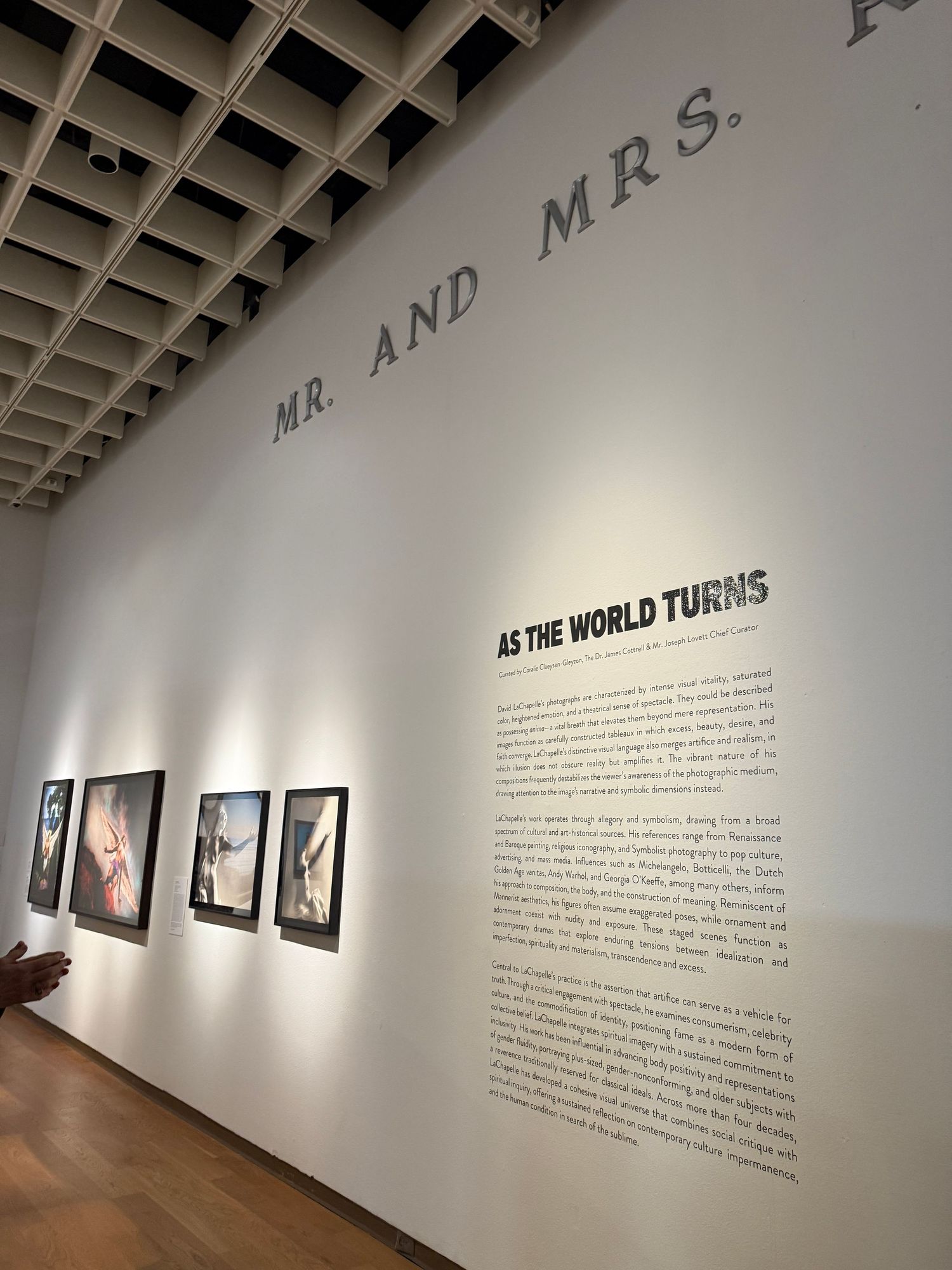
About the Exhibition: As the World Turns
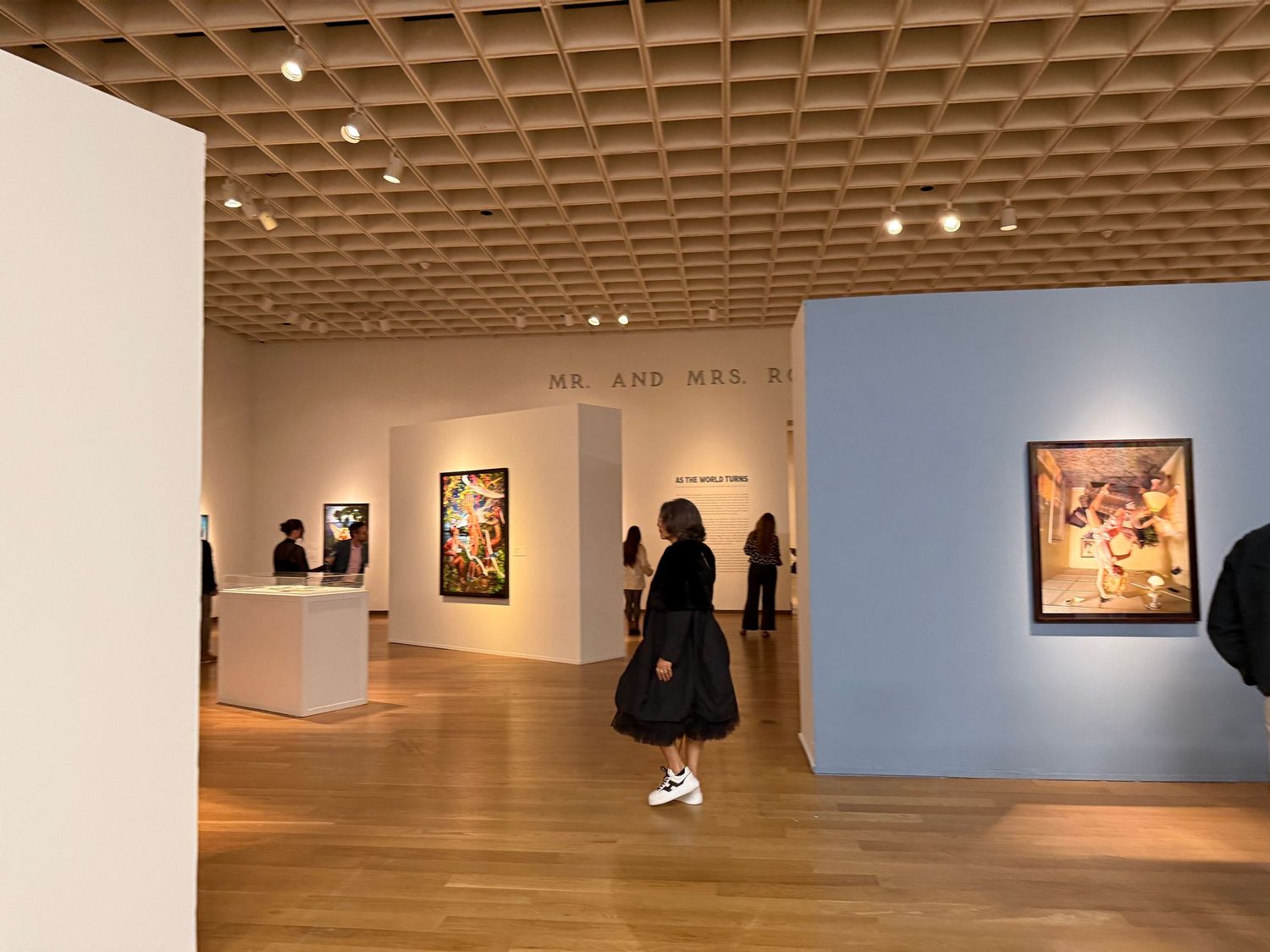
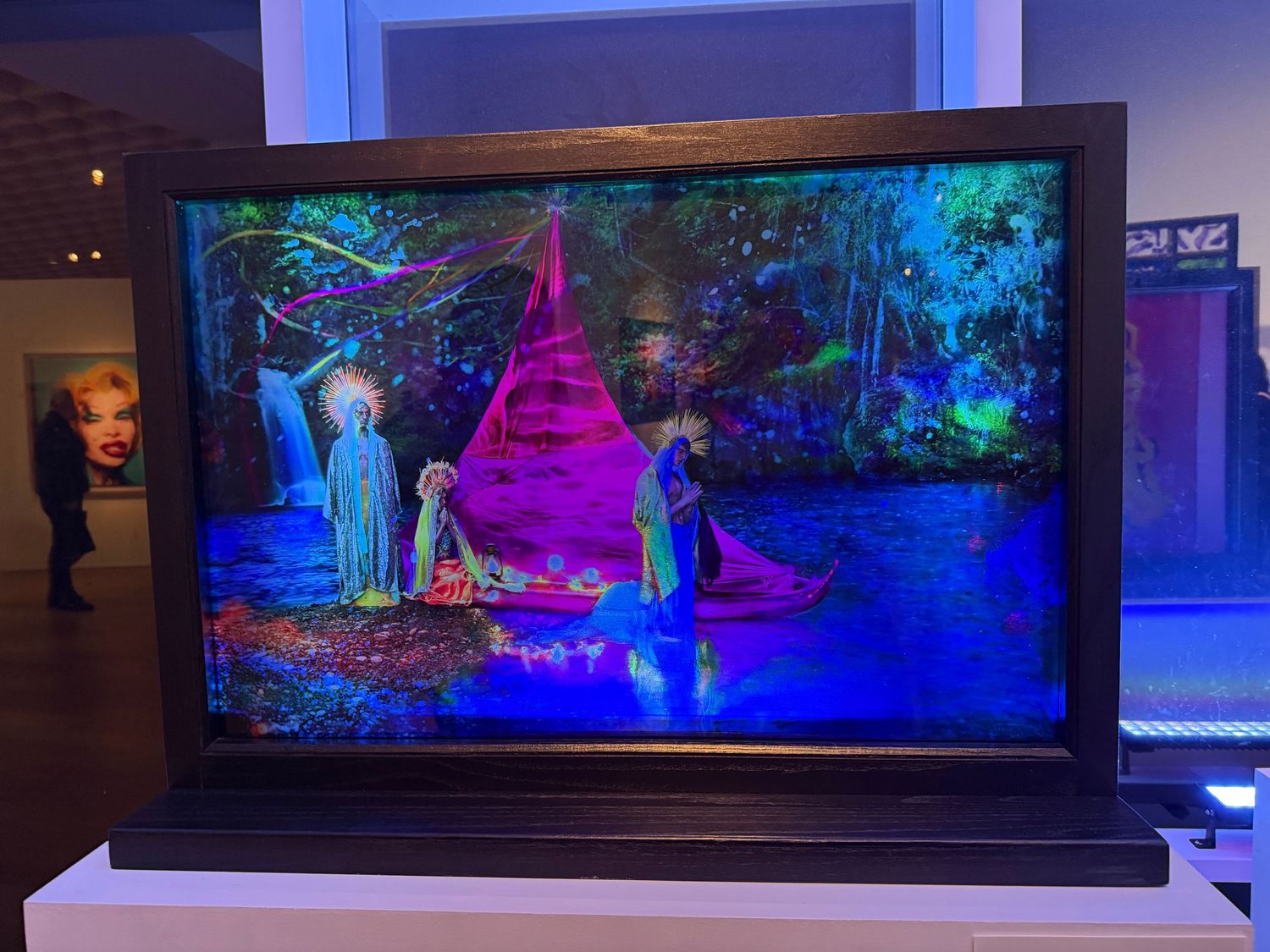
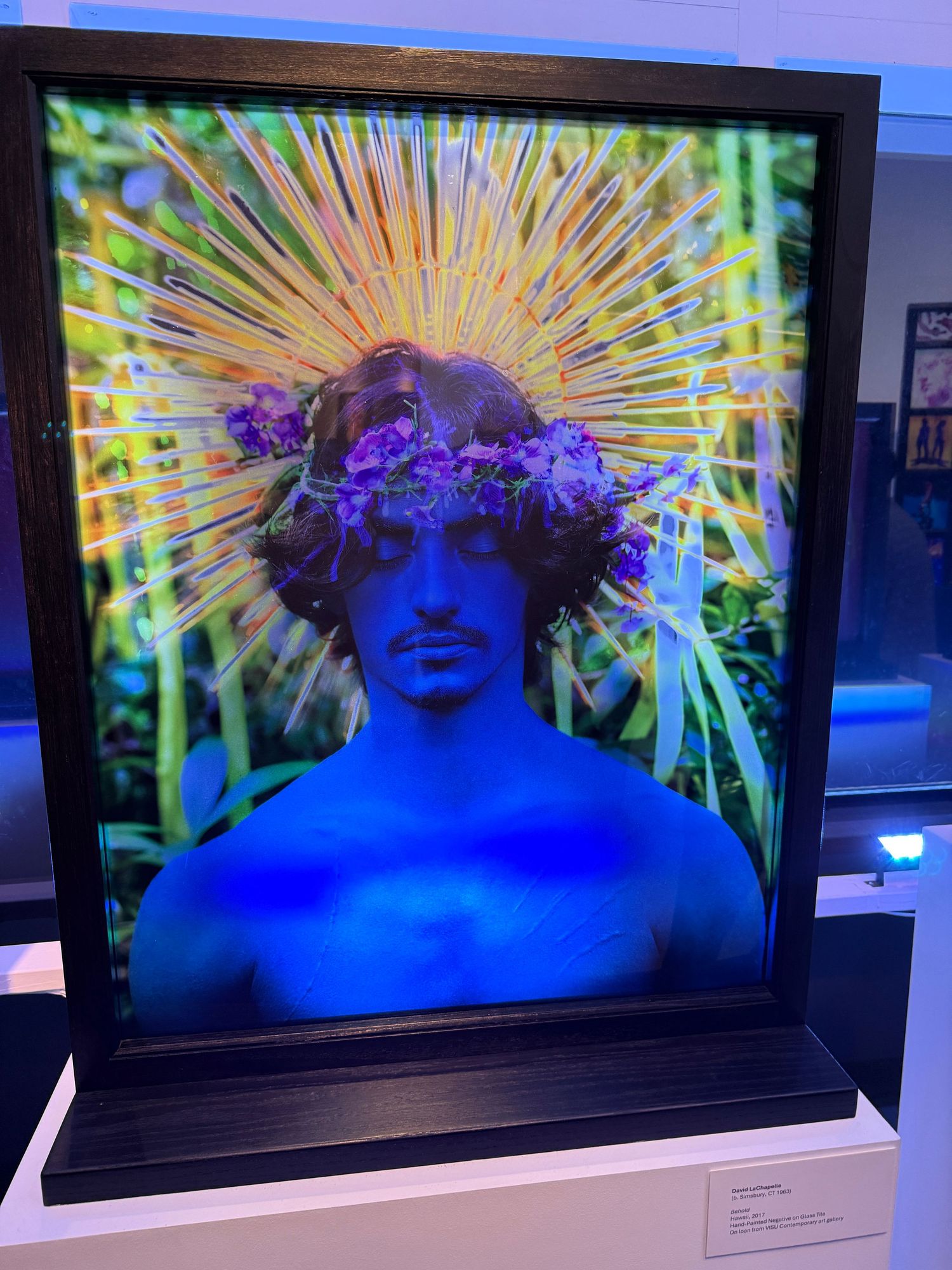
As the World Turns at the Orlando Museum of Art reads like a visual timeline of David LaChapelle’s mind across decades, but it also feels like one continuous question: where does our energy go, and what do we do with it while we are here?
In the Q&A, he spoke about his early years making photographs while surrounded by loss, and how the work became a way to process the unthinkable. He described trying to understand what happens to us when we die, what the soul might look like, and how faith and making art gave him something solid to hold onto. That thread is still present in this exhibition. Even when the imagery is extravagant or surreal, it is never random. It is purposeful, searching, and deeply human.
The show also carries a sense of urgency that feels unmistakably present-day. He talked about the world feeling precarious and the way “unprecedented” has become a daily word, not an exception. He connected that feeling to what he has witnessed firsthand in nature, including sudden, dramatic changes caused by extreme heat. That lived awareness shows up in the work as beautiful unease. The photographs pull you in with color and scale, and then they make you sit with what the scene is really saying.
What I appreciate the most is how much of his work is built, not “made in a computer.” In the Q&A, he described his process like theater: drawing, building sets, painting details, creating costumes, assembling a talented team, and then letting the studio moment unfold as the flashes begin. He even mentioned intentionally leaving in practical traces like wires, because he wants the viewer to feel that the image is physical, constructed, real. In a time when so much imagery is assumed to be digital or AI, that commitment to craft and clarity matters. When hanging in a gallery, David wants his images to stand on its own without needing a wall of text to explain it.
Ultimately, As the World Turns feels like an artist refusing to drift into repetition or conformity. It is the work of someone still asking hard questions, still chasing meaning, and still using beauty as a way to communicate rather than distract. You can feel the intention in every piece. Not just the spectacle, but the soul behind it.
Please make sure to go visit the collection while it is at Orlando Museum of Art. I promise that you will be forever changed. I cannot thank OMA's chief curator, Coralie Claeysen-Gleyzon, enough for her fabulous job and all the hard work put into curating this exhibit. The care that she took in curating not only his recent works of art, but also some pieces that I had never seen before from his earlier years. I'd also like to thank all the sponsors, donors, and vendors who worked the opening event.
Thank you now and forever!